There are 652 miles of Tennessee River running from Knoxville, Tennessee to Paducah, Kentucky. Two hundred and three of those miles run through North Alabama. And if you grew up here, you already know what that river is. You know it from the camping trips and the fishing and the summer afternoons at Point Mallard, from the way it shows up in the songs of people who grew up along its banks. You know it the way you know something that has always just been there.
What Brad Collett wants is for all of us to know it a little differently. Not as a backdrop. As the whole story.
Brad is a landscape architect, a University of Tennessee professor, and the executive director of the Tennessee RiverLine — a bold, TVA-partnered initiative that is quietly reframing 652 miles of river corridor, 1.2 million acres of connected public land, and 32 counties across four states as one of the most significant outdoor recreation landscapes in the country. On a recent episode of Unexpected Adventures in North Alabama, he joined me to talk about what that actually means for our communities, what’s already happening on the water, and why the Tennessee River changed the course of human history. I am not paraphrasing that last part.
More Than Twice the Size of the Smokies
Before anything else, Brad wanted to make sure people understood the scale of what the Tennessee RiverLine is working with. The reservoir system is 500,000 acres of public water. Along the river there are 700,000 acres of public lands — places like Wheeler Wildlife Refuge, local parks, and open shoreline. And then there are the 32 counties, eight of them in North Alabama, connected to the river corridor.
Add all of that together and you get 1.2 million acres of connected public space.
“Just for reference,” Brad told me, “that’s more than twice the size of the Great Smoky Mountains National Park.”
That stopped me, because it should stop you too. We are sitting in the middle of one of the largest connected outdoor recreation landscapes in the country, and most of us drive past it every day on the way to somewhere else. The RiverLine’s job is to change that — to help communities and individuals understand what is actually in front of them.
Why North Alabama Showed Up First
I asked Brad what makes North Alabama such a strong partner in this work, and he gave me a real answer instead of a polite one.
The first reason is identity. In every community along the Tennessee River in North Alabama — all eight counties, from Bridgeport down to the Shoals — there is something iconic about that community that you simply cannot separate from the river. The wildlife. The space industry. The music. The history. All of it is derived from the Tennessee River or its tributary streams. Brad said that people in North Alabama have grown up along the river in a way that is personal and stored in memory. The fishing trips with parents. The camping. The swimming. Those experiences create a kind of loyalty that makes people show up when someone asks them to.
The second reason, he said, is AMLA — and he was clear that he was not saying this to flatter his audience. The community of tourism professionals that was already organized, already working to promote the region as a whole, before RiverLine was even a student project at UT — that structure gave RiverLine immediate, knowledgeable partners in every community. It made Alabama not just a willing participant but an active one.
He also mentioned something that I loved and had to share. There are songs written by famous Alabama musicians about the heritage of the Tennessee River and TVA. The band Alabama wrote about a daddy who got a job with the TVA and suddenly the family had a washing machine. Jason Isbell has written about TVA as well. The river is in the music, and the music is in the region, and that is not a coincidence.
Anchored in Alabama and 80 Kayaks
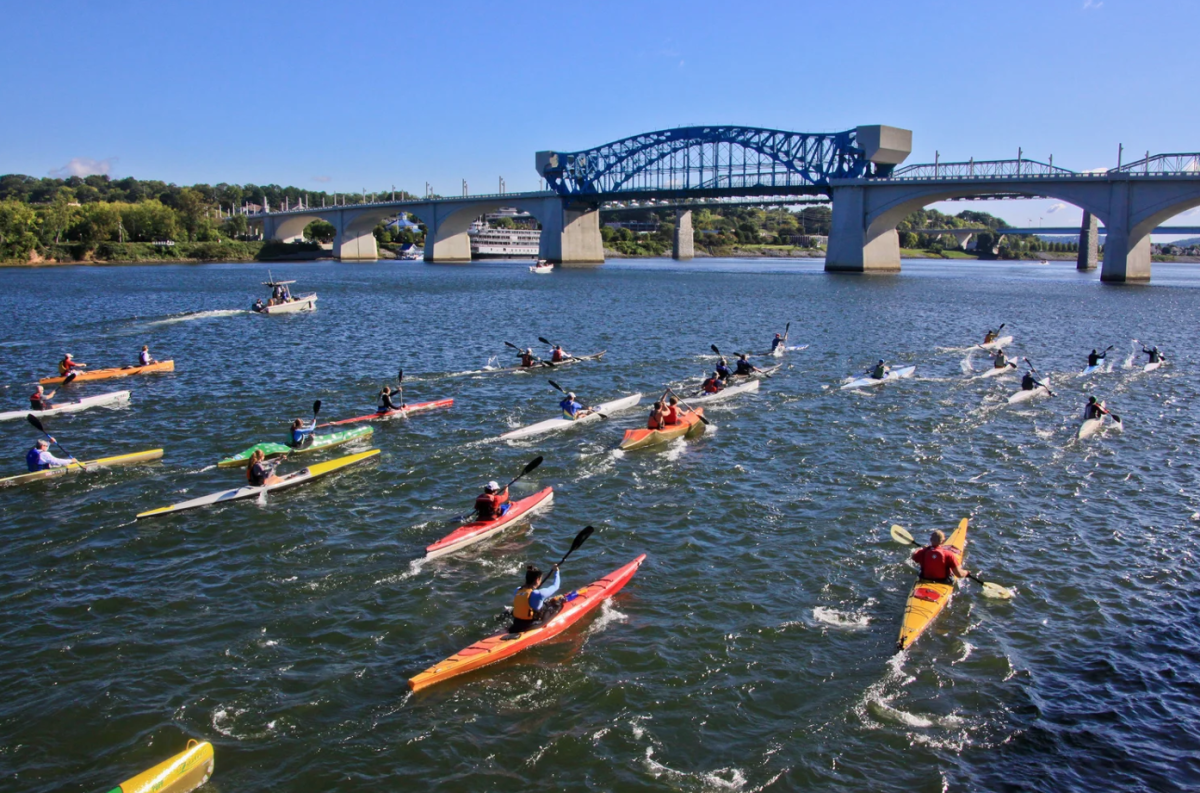
Last fall, RiverLine held a major event in Decatur that Brad described as a truly special day. Anchored in Alabama was a milestone moment for the initiative in our state — a celebration of how far North Alabama communities had come in partnership with RiverLine, and a major expansion of what those communities could now offer.
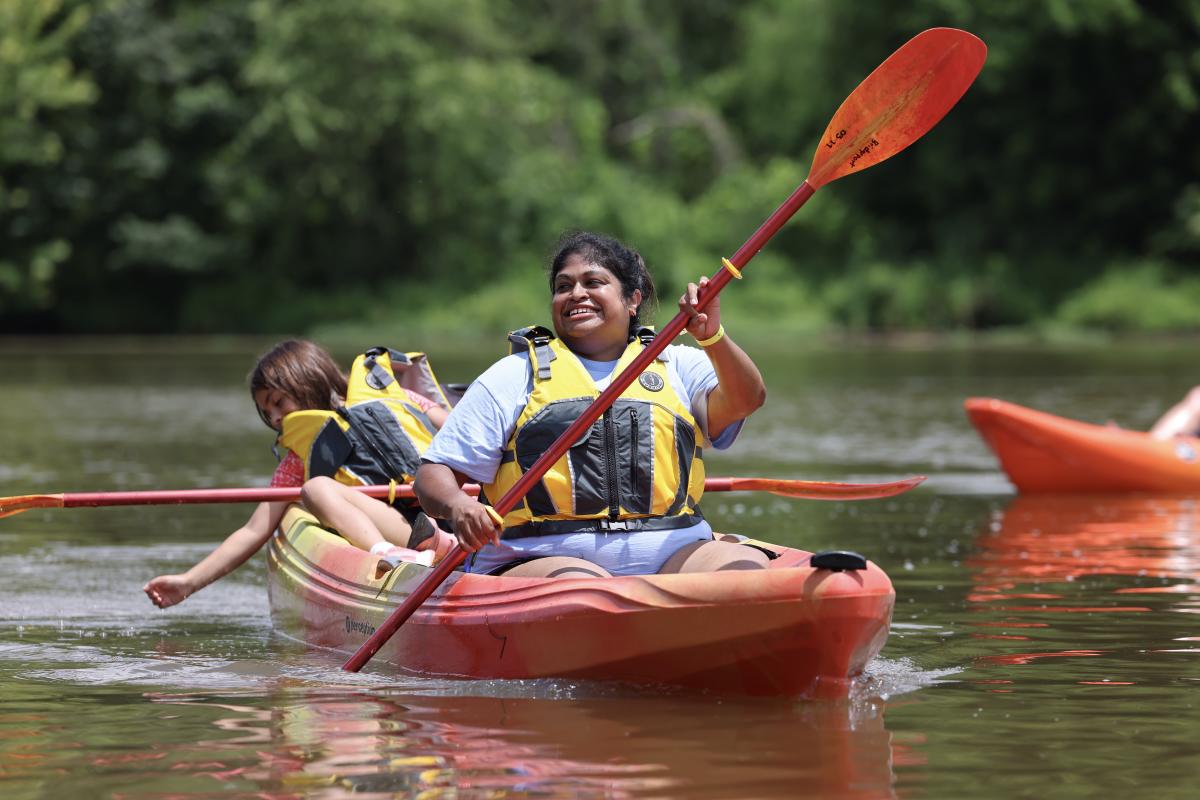
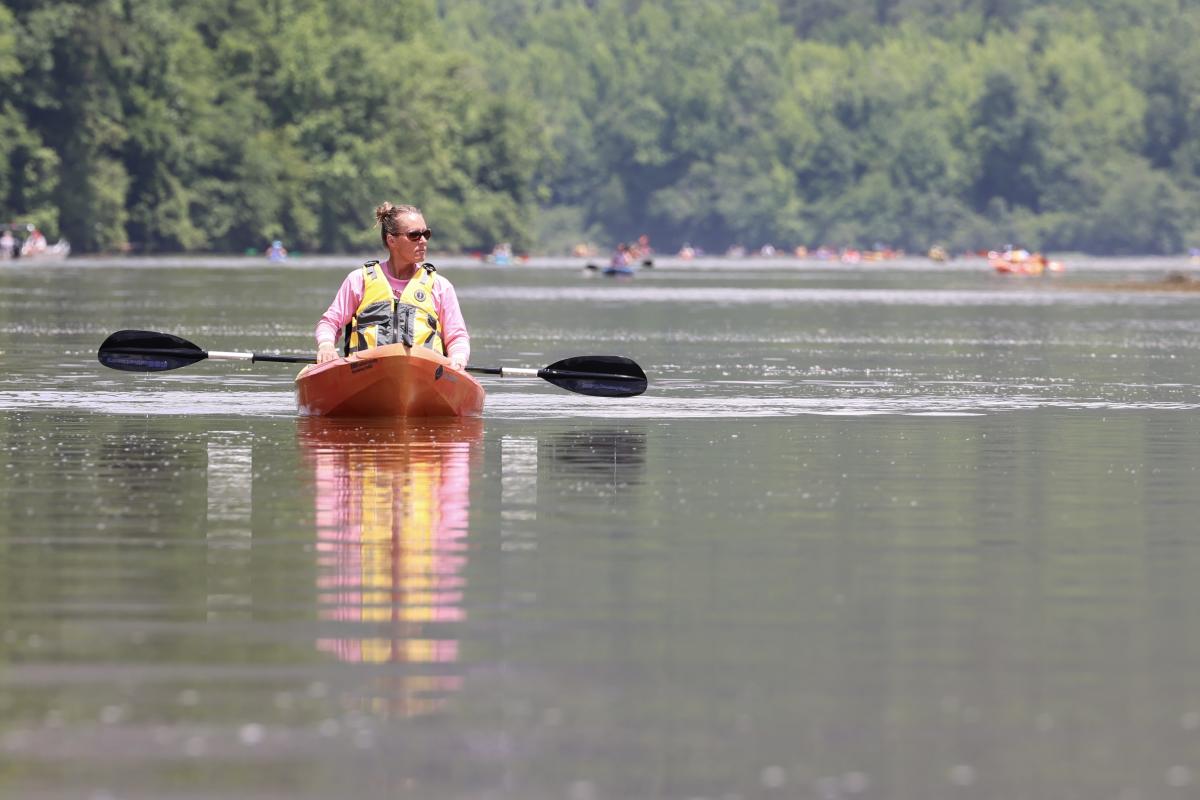
By that point, Alabama RiverLine communities had facilitated more than 100 recreation events on the Tennessee River and given 4,600 people a river experience — for many of them, their first time on the water. But one of the biggest barriers to getting people out there is gear. People want to experience the river. They just do not have a kayak or a canoe or a paddle or a life jacket sitting in their garage. And purchasing all of that is a real obstacle.
So RiverLine prioritized outfitting communities with shared fleets of kayaks that are free to use at organized events. At Anchored in Alabama, they expanded Alabama’s fleet from two communities to seven, presenting new kayaks to five communities thanks to a grant from Innovate Alabama and a partnership with the University of North Alabama. This summer, those kayaks are already in use — one event in Guntersville is bringing together five or six of the fleets to give more than 150 people their first Tennessee River paddling experience.
I told Brad about my niece and me wanting to get a kayak but having a car that’s not exactly set up to haul one around. He laughed and told me that even experienced paddlers sometimes skip a trip because loading a kayak is just enough of a hassle to talk themselves out of it. This is exactly what the fleets are for. Taking excuses off the table, one at a time.
Sheffield, UNA, and an ADA Launch That Matters
The Innovate Alabama partnership with the University of North Alabama goes beyond the kayaks. Two other significant things are coming out of that collaboration. The first is a new ADA-accessible paddle craft launch at Sheffield’s Riverfront Park, expected to open within the next year and a half. Brad talked about this with real conviction. RiverLine’s core values include making river experiences available to people of all ages and ability levels — not just the 25-year-old with a car full of equipment, but aging adults and people with different physical abilities who deserve to get on that water too.
The second is a set of planning and design guidelines that Brad’s team of landscape architects is developing and will release at the end of this summer. The idea is that RiverLine cannot personally consult on every river access project in the valley. But they can create a resource — rooted in the values of conservation, accessibility, habitat improvement, and storytelling — that any local engineer or architect can pick up and use on a riverfront project. It bridges the gap between RiverLine’s vision and the communities doing the actual building. Brad called it truly transformational, and I believed him.
Plan Your Journey at tnriverline.org
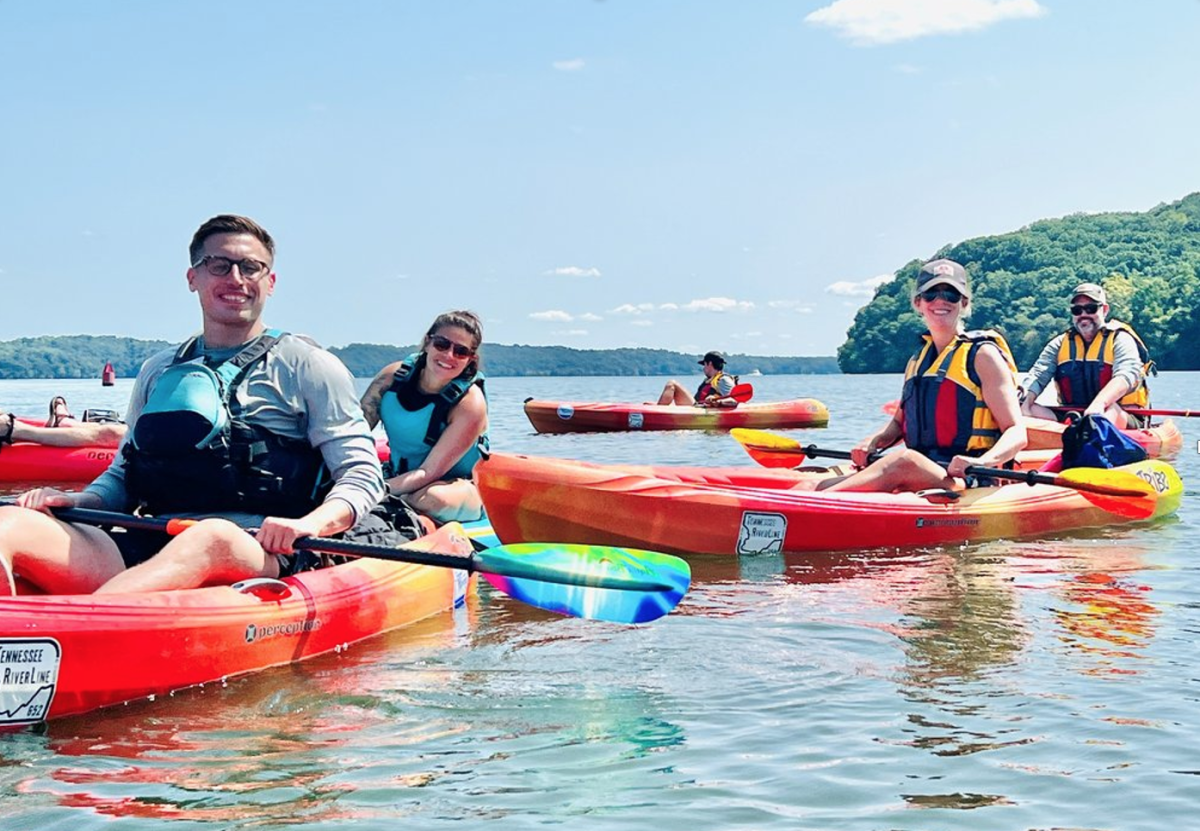
If you have never been on the Tennessee River and you do not know where to start, Brad’s answer was simple: go to tnriverline.org and find the Plan Your Journey section. He described it as built for everyone from the person who wants a Saturday afternoon on the water to the person who wants to paddle all 652 miles in one go.
At Plan Your Journey you will find an interactive map with more than 750 river access points, marinas, campgrounds, outfitters, and parks. You will find 11 curated itineraries developed with community partners — including one for the Decatur area that starts on Flint Creek, a tributary to the Tennessee, and gives you everything from estimated trip length to information about the sandhill crane migration at Wheeler Wildlife Refuge. And you will find River Towns profiles for each partner community, which include not just the river access but local dining, heritage sites, and things worth knowing before you arrive.
Brad mentioned that one member of the RiverLine team, TJ Johnson, paddled the entire 652 miles a few years ago and has written about the experience. He floated the idea of TJ coming on the podcast at some point. Forty days on the Tennessee River. I am going to hold him to that.
The River as the Front Door
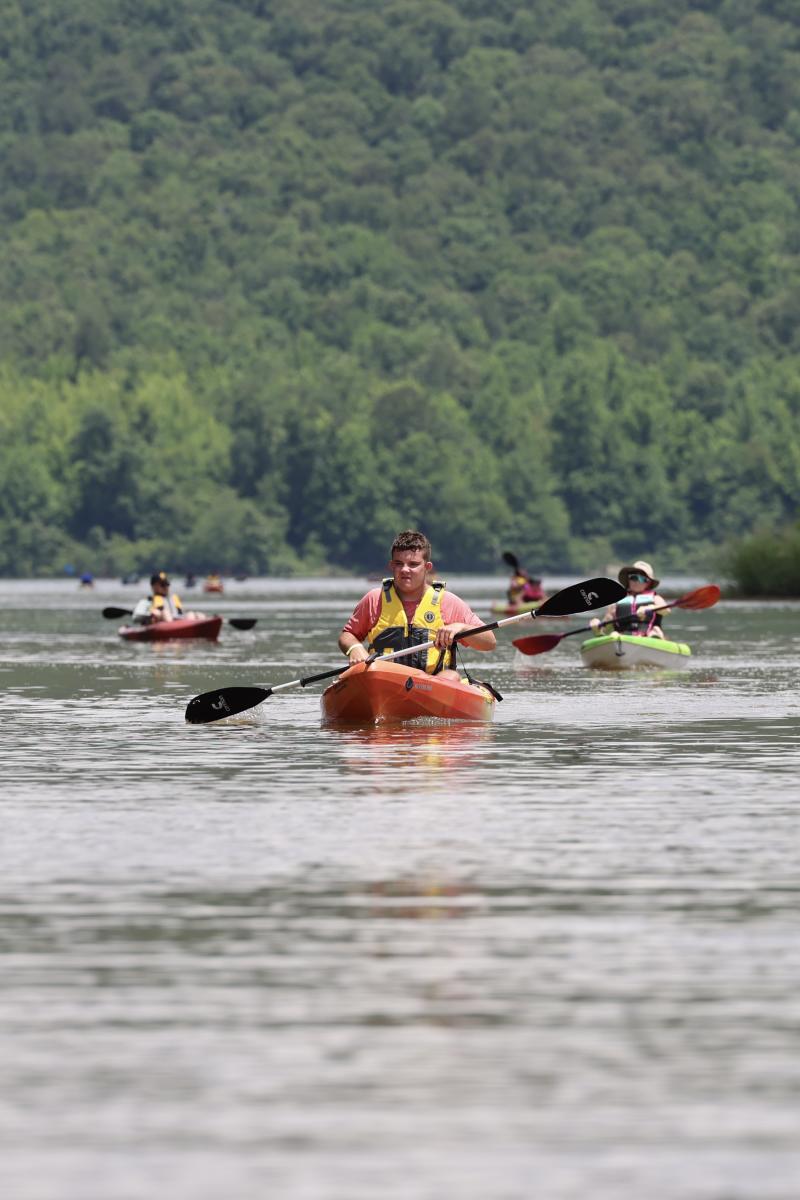
At one point in our conversation, Brad said something that I have been sitting with since we recorded. He talked about how, in generations not long past, rivers were not viewed as amenities. They were infrastructure for industry and, frankly, waste. There were no laws protecting them. The Tennessee River was a working river, full stop.
What he sees now is a shift — a recognition that the river can be the front door of a community, not the back door. That it can be the place people walk toward instead of the place they turn away from. Getting there requires investments in infrastructure and changes in how communities think about their relationship to the water. But it is already happening in Sheffield, in Bridgeport, in Decatur, in communities across the valley.
“Quite literally,” he said, “the Tennessee River is why the Shoals, Huntsville, Decatur, Bridgeport — all of these communities have been founded.” It provided sustenance, then transportation, then industry, then energy, then recreation. The river is the whole story. And if current generations lose their connection to it because they have fewer outdoor experiences and more screens, that is not just a recreational loss. It is a civic one. People who don’t have a relationship with a place don’t fight for it. They don’t vote for it. They don’t steward it.
That, Brad said, is why getting 4,600 people on the river matters more than the number suggests.
What Surprised Him Most
I asked Brad what has been unexpected about this work, and he paused and admitted that for someone who came to this as a landscape architect, someone who thinks in terms of physical space and connected systems, what has surprised him most is the people.
In communities of every size, with every level of resources, he keeps finding people who are passionate about where they live and eager to invest in its future. Not just elected officials or professionals. Ordinary citizens who show up to stewardship events, who advocate for funding, who volunteer to take strangers on their first kayak trip because they want other people to love the river the way they do.
“The Tennessee River connects us by water,” he told me. “But the Tennessee RiverLine connects us by purpose.”
Get Out on the River
This summer, RiverLine events are happening across North Alabama. You can find the full event calendar at tnriverline.org, where you can also browse the interactive map and start planning a trip that fits your pace and your experience level. If you are just getting started, find an organized event — the gear is there, there are people to help you with technique and safety, and it costs you nothing but an afternoon. Follow Tennessee RiverLine on Facebook and Instagram for updates on events, heritage stories, and what is happening in communities along the water.
The Tennessee River is not just something North Alabama happens to have. It is something North Alabama is made of. Go find out what that feels like from the water.
Listen to the Full Conversation
There is quite a bit more from my conversation with Brad, including his thoughts on outdoor recreation as a public health strategy, why he insists on being called Middle-Aged Man River rather than Old Man River, and what he believes North Alabama has that most regions would envy. To hear the full episode, tune in to Unexpected Adventures in North Alabama on your favorite podcast platform and search for the episode featuring Brad Collett of the Tennessee RiverLine.
All links are in the show notes. Start at tnriverline.org, find Plan Your Journey, and go from there.