
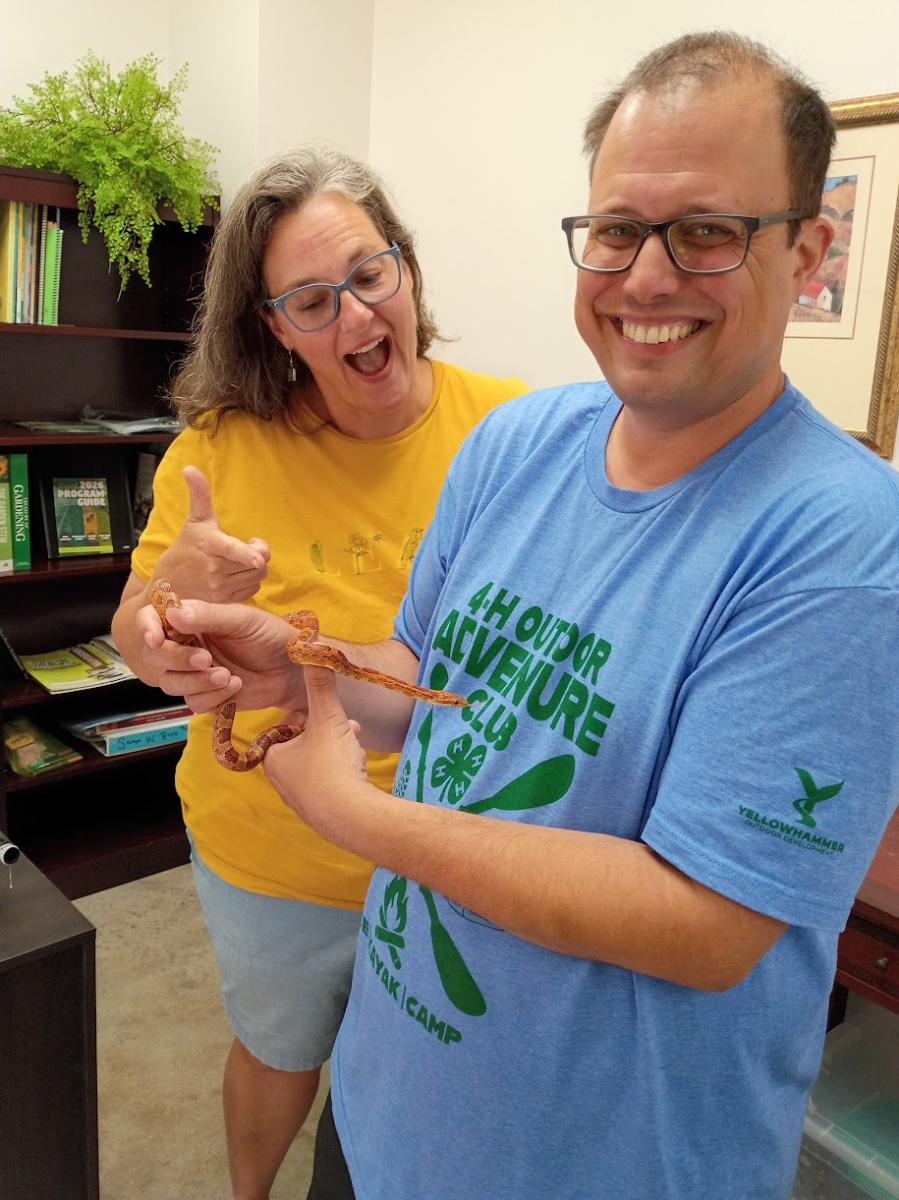
Picture this: you pull into the North Alabama Agriplex to drop your child off for a program. You're planning to head right back out. Then someone mentions that the assistant director keeps snakes in his office.
A few minutes later, you're holding one.
That really happened, and it's my favorite story from my conversation with Markus Doering. "You just came to the Agriplex to drop off your kid," he told me, "and then all of a sudden, instead of leaving, you were able to hold a snake and learn about snakes. If that is not a surprise, I do not know what a surprise is."
Markus is the assistant director of the North Alabama Agriplex in Cullman, a nonprofit dedicated to preserving our agricultural heritage, educating and feeding our neighbors and growing a more sustainable future. On Episode 125 of Unexpected Adventures in North Alabama, he walked me through a place where you can learn to garden, meet a farm animal, pick up a skill your great-grandparents would recognize and see where your food actually comes from, all in one afternoon.
From Germany to Cullman
Markus didn't grow up anywhere near Cullman. He's from Germany. He met his wife, a Cullman native, in Croatia in 2013. After several years of long distance, they married in 2016, and then came the big question of who was moving where. "In the end," he said, "it was me moving to the States."
Of course I had to ask whether his wife spoke German. She did not, although she studied it for a semester. "From a global perspective, German is not the easiest language to learn," Markus said. He, on the other hand, had been learning English since he was 11. "I had a little advantage."
Finding a job turned out to be harder than they expected. Then Rachel Dawsey, the Agriplex's executive director, offered him a year as an AmeriCorps VISTA writing grants, something he'd never heard of before. "It was better than sitting on the sofa and just writing job applications," he said. When the year was up, Rachel didn't let him go. He did office management, bookkeeping and grant writing, the many-hats life of a small nonprofit, until he asked to become assistant director. He still does a little bit of everything.
One of North Alabama's Best-Kept Secrets
"I would say the Agriplex is one of the best-kept secrets in northern Alabama," Markus said. Part of the reason is its location: right across from the bowling alley. "Everybody seems to know the bowling alley. But nobody knows the Agriplex."
Once people do find it, they tend to stick around. "Once you get to know the Agriplex, it seems like you fall in love and then you never leave," he said. "That's what I did with my job situation."
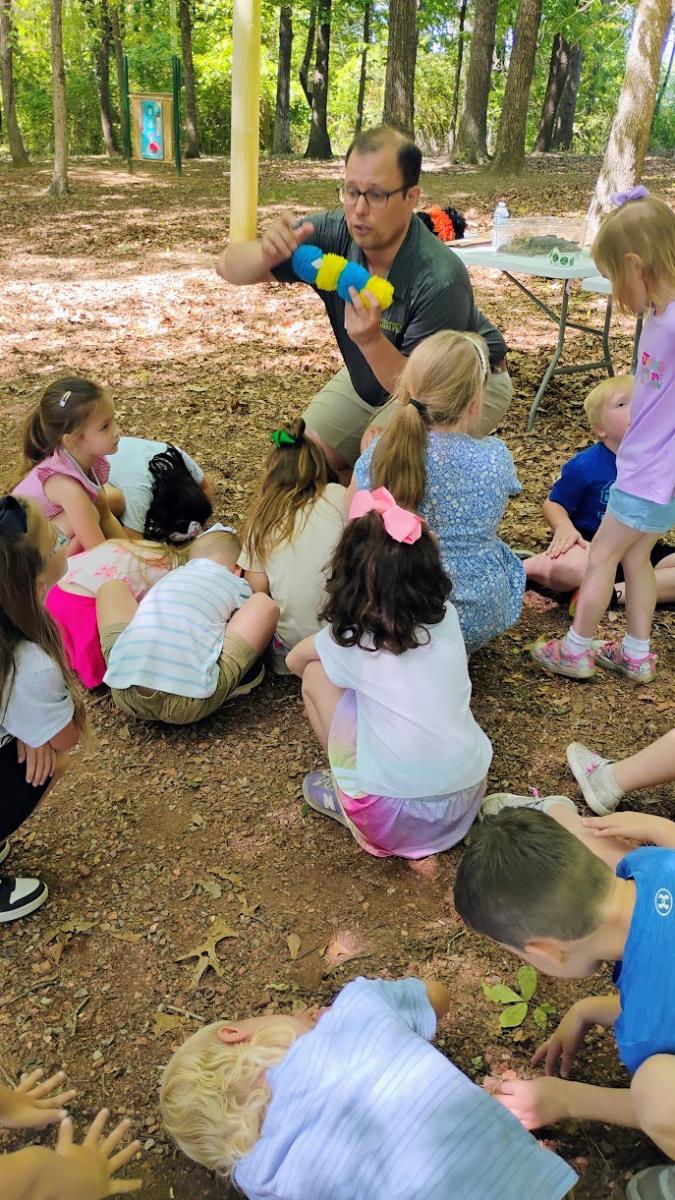
At its heart, the Agriplex is an educational center covering environmental topics, heritage skills, cooking and more. Programs start at age three and run all the way through adulthood, organized into eight program series by age. Little Farmers is for kids ages three to five, with story time, free play and hands-on activities built around a theme that runs all year. One year the theme was colors: red was apples, blue was water. Farm Kids Club is for ages six and up. There's a series for homeschool families and a full slate for adults.
Across every series, the goal is the same. "No matter if it is a kid or an adult, we try to get people off their phones," Markus said, "and we try to involve them in as many hands-on activities as we can." As he pointed out, nobody wants to sit and listen to someone talk for 30, 60 or 90 minutes. "No offense to the podcast."
None taken! I'm a firm believer in getting your hands dirty. Every spring when I plant my yard, I start out with my gardening gloves on, and I always end up pulling them off because I love the feel of the dirt in my hands. I even like seeing a little dirt under my fingernails for a bit. Markus understood completely. "If you don't try, then you will never have the experience," he said.

Meet the Bunnies (and the Snakes)
The Agriplex has animals, too: chickens, bees, a toad who is the newest pet and two snakes that live in Markus's office. One of them was right there on camera during our interview. "It's no problem to get the snakes out, and people can touch them," he said. "You just need to be ready to experience new things here at the Agriplex."
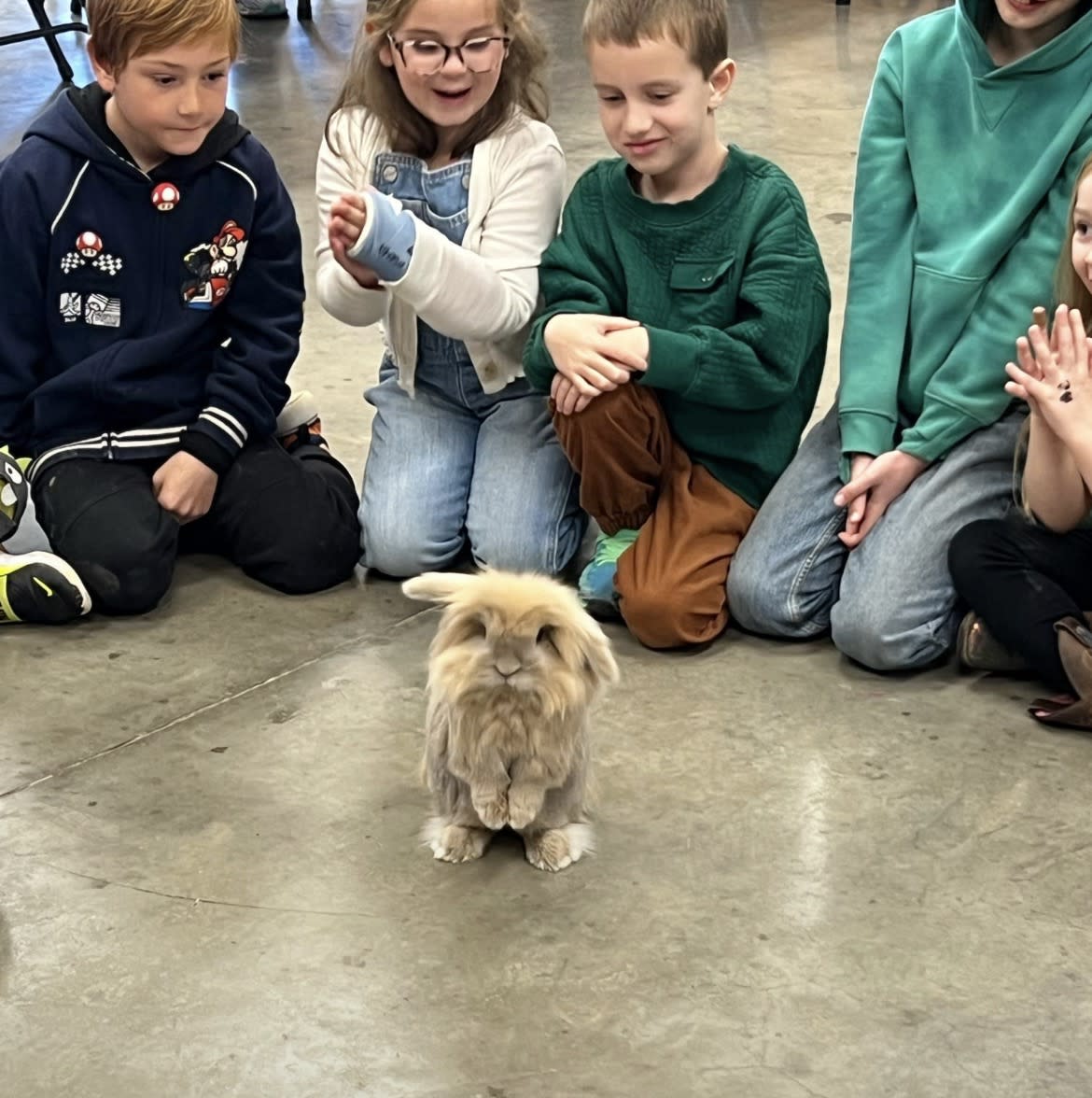
I told him I might be up for the toad, but I'd let someone else take my turn with the snakes. Then he mentioned the bunnies, and I was all in. They're super fluffy, they visit local schools and, according to Markus, they're heroes to the kids. "Everybody knows our bunnies."
Keeping Heritage Skills Alive
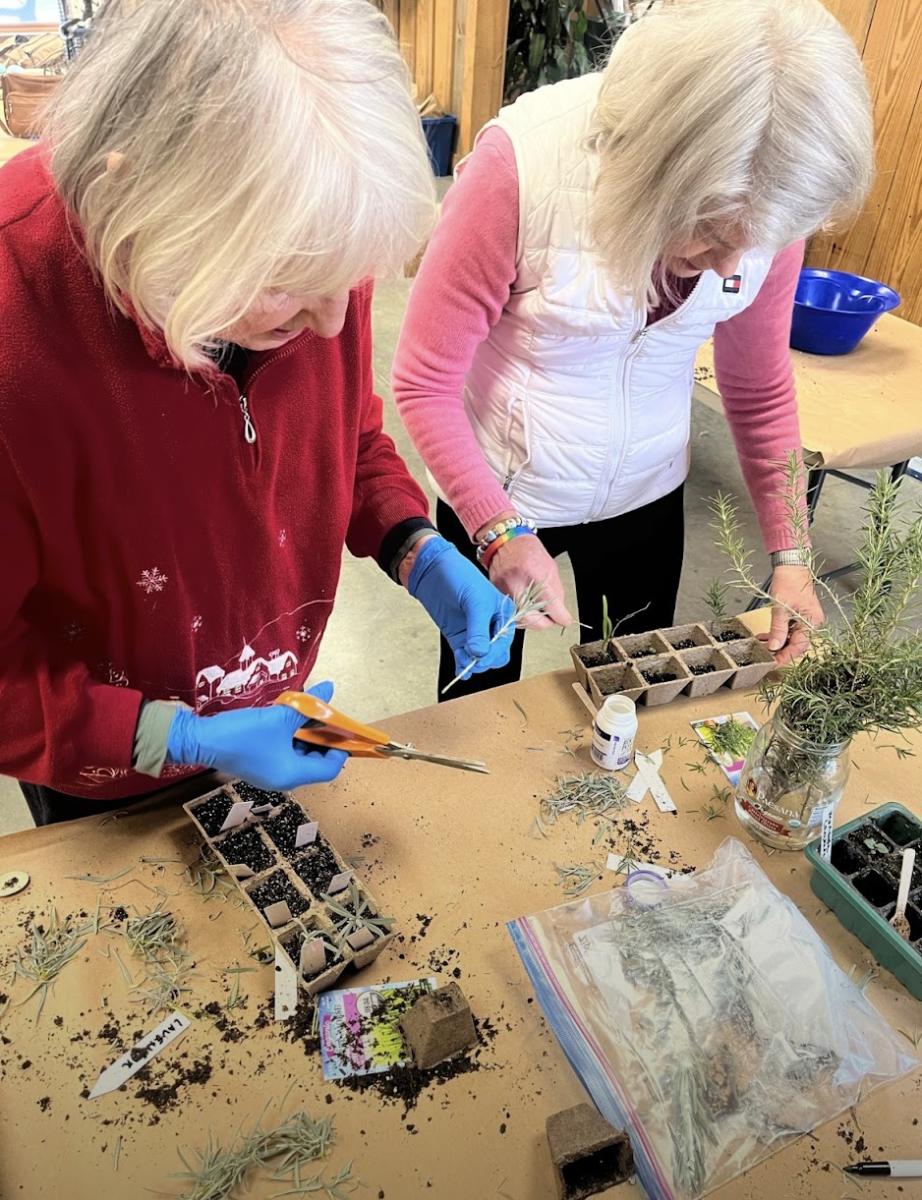
The Heritage Skills series focuses on lost and almost forgotten skills, and the Agriplex works hard to keep them from disappearing. Classes have included canning, quilting, beginning leatherwork, calligraphy, smocking, journaling and paper, beginning brewing, stained glass and a barn quilt project that merges a quilt pattern with painting. After a recent basket weaving class, participants told staff they needed to do it more often, and that kind of feedback shapes the next year's lineup. "We wanna fulfill the needs from the community," Markus said.
He has firsthand experience as a student, too. When he started at the Agriplex, he was invited to a quilting class and was told to start with a pot holder. He didn't see the use for a pot holder. But his wife was expecting, so he made a baby blanket instead, and he still has it. When I asked to see a picture, he joked that he'd have to look through his 60,000 photos first.
That story hit home for me. My grandmother made a quilt for each of her seven grandkids one Christmas, every stitch by hand, and I still have mine on my bed. I made a quilt out of my old sorority T-shirts once, but I'll admit I used a machine. So did Markus. "The baby was due," he said. You're on a timeline!
Lately you've probably seen "meemaw activities" all over social media: knitting, gardening, making preserves. It turns out the Agriplex was ahead of the trend. "We did that for the last 10 years, and now it's a trend with the current youth," Markus said. "I wish we can claim that for us." My advice? Claim it.
Sometimes the demand surprises even them. Most programs draw 20 or 30 people, but when the Agriplex offered a sourdough class, more than 100 people signed up. "We did not expect that," Markus said. They split it into two classes so everyone could come. Sourdough is on my own bucket list, so I'll be watching for the next one.
Growing Something Bigger for Veterans and Beginning Farmers
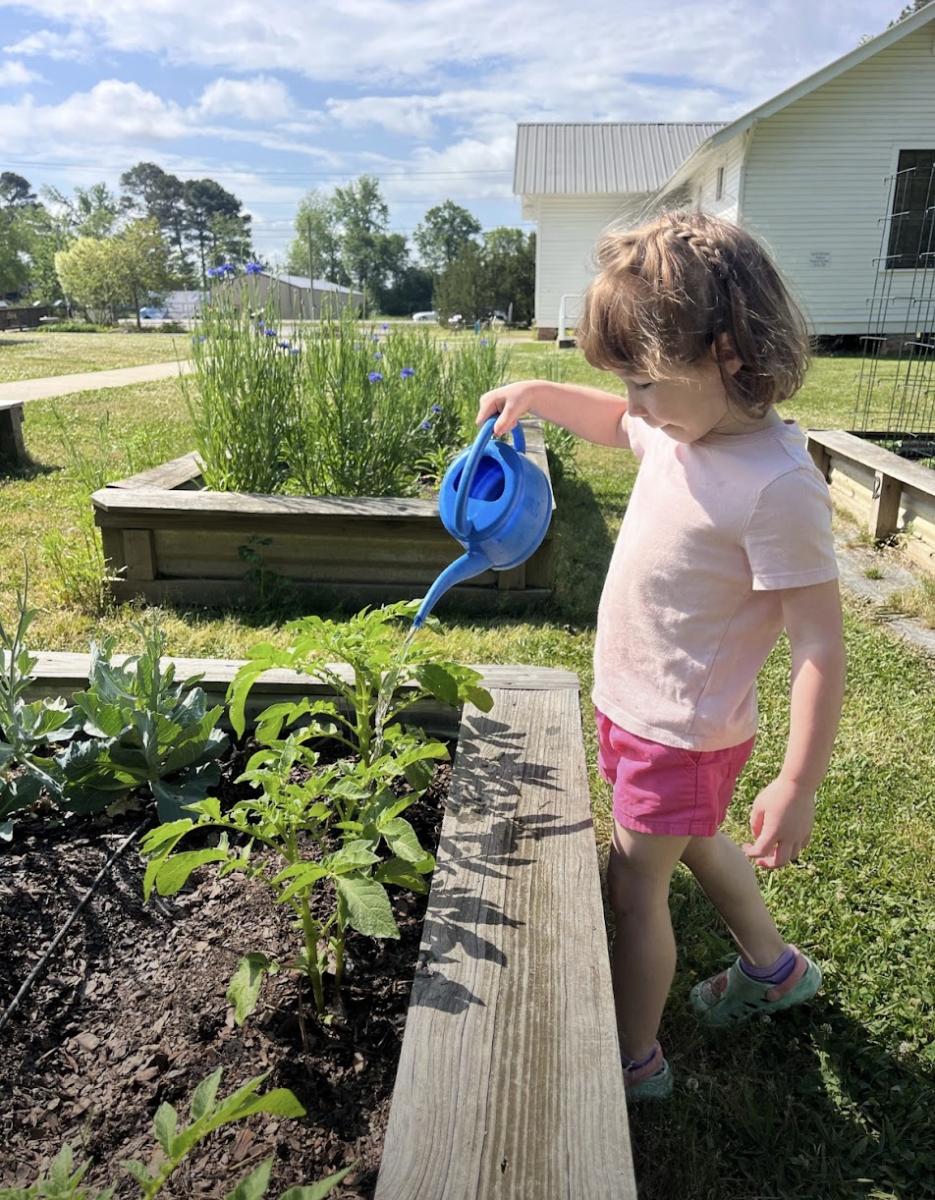
One of the Agriplex's most meaningful programs grew out of a hard reality. Military veterans were coming home from deployments, many dealing with PTSD, and the team asked how they could help. "We found that gardening and growing things and farming things has a therapeutic effect," Markus said.
The Military Veterans and Beginning Farmers series brings both groups together and covers what it takes to move beyond hobby growing, from finances to safety to choosing what kind of farming to pursue. One participant inherited land full of trees and had no idea what to do with it. (He wasn't a farmer by trade, which Markus explained very carefully so no farmers would be offended. We knew what he meant!) The answer they landed on together: grow Christmas trees.
I love that, because I've read that gardening can be good for depression, too. When you're growing something, you have a reason to show up every day and look forward to that first little leaf.
From Farm to Fork
North Alabama grows a lot of produce, but that doesn't mean people here eat a lot of local produce. The Agriplex is working to change that in a few ways.
First, it publishes a local growing guide, a free booklet listing around 100 area growers. "With this booklet, you can just look up, 'Hey, I'm craving strawberries,'" Markus said, and find a local grower instead of buying strawberries you know nothing about. Beef, pumpkins, honey and more are in there, too. (We need one of these in Morgan County. My favorite sourdough baker ran out of bread recently, and I would have loved to know where else to look.)
Second, the Agriplex gleans leftover produce from farmers and collects food donations, then passes them along to local feeding agencies so they reach neighbors in need instead of going to waste.
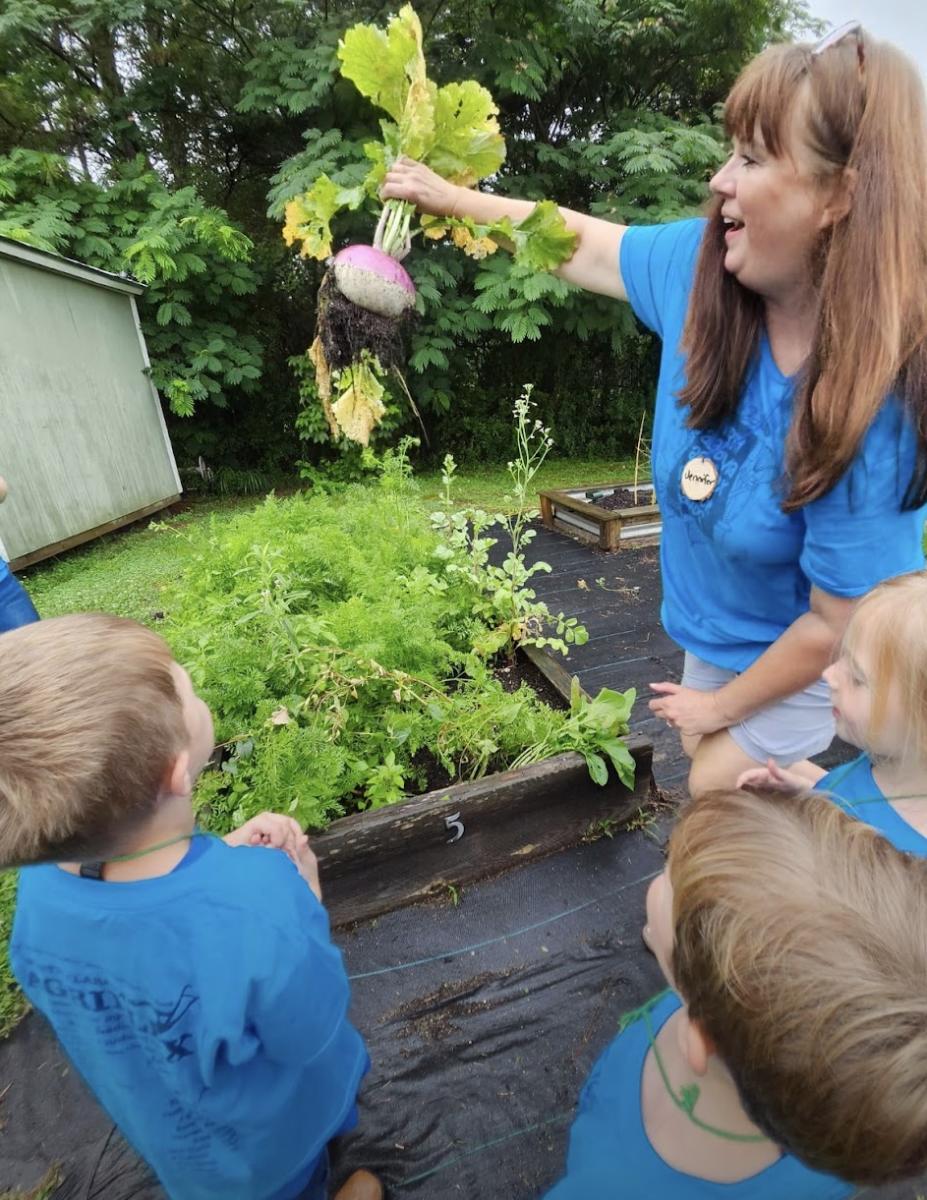
Third, and this is the part I found so smart, it teaches people what to do with that food. "It is not enough to just put, let's say, yellow squash on their table," Markus said. "The people who receive the donations also need to know, 'Hey, now I've got yellow squash, what can I do with it?'" Turnips and okra (a pretty big deal here in Alabama) get the same treatment.
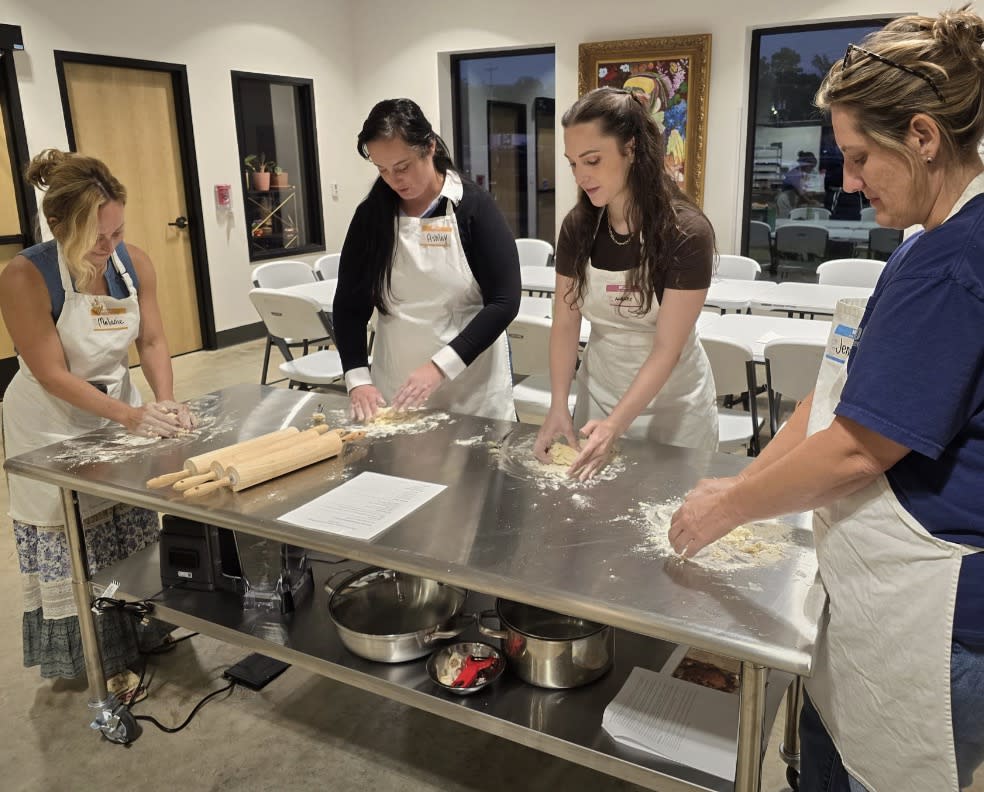
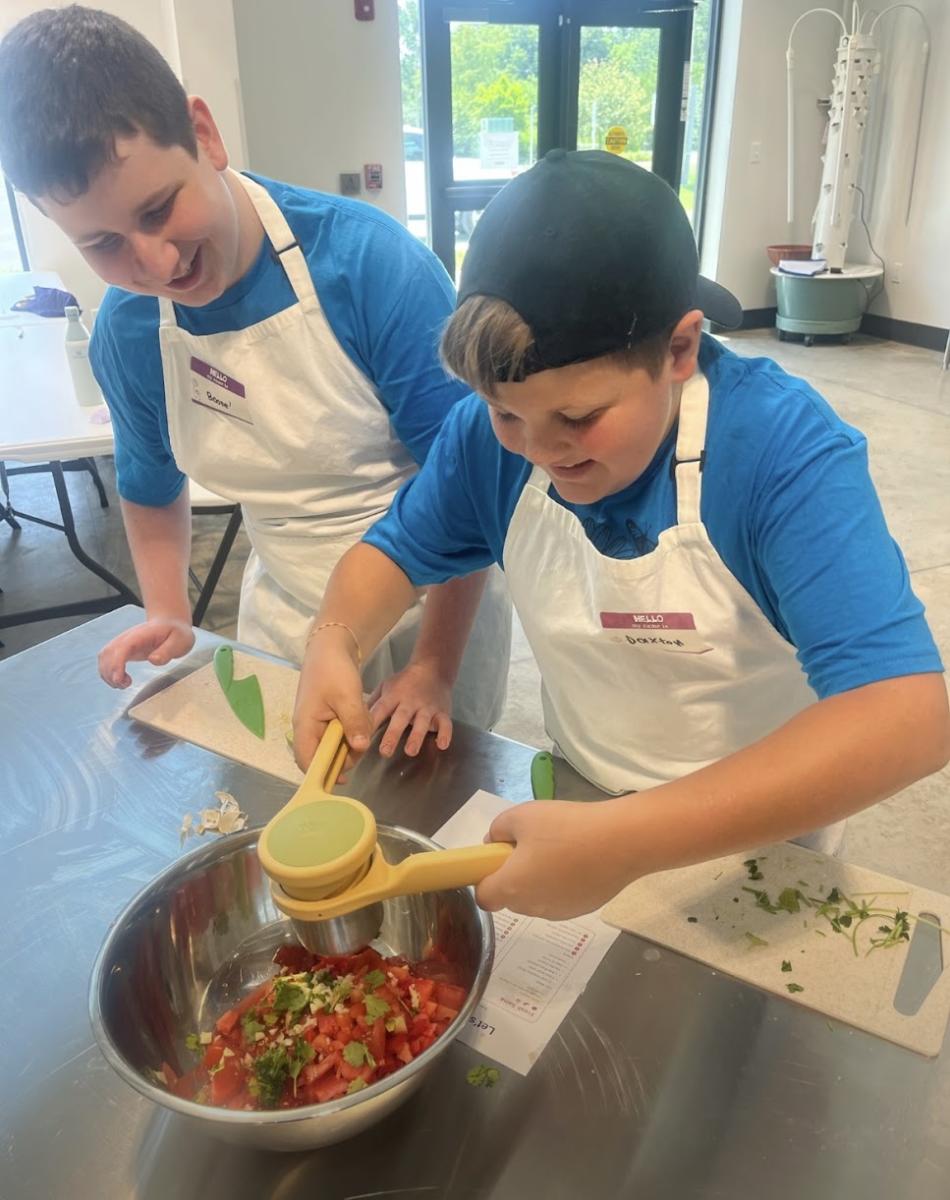
That's the thinking behind the Agriplex's new facility of almost 9,000 square feet, built through a capital campaign. About a third of it is a teaching kitchen, which completes the farm-to-fork process: grow produce in the raised beds, harvest it, carry it into the kitchen, wash it, prep it and cook a delicious meal. Summer cooking camps for kids sold out three weeks in a row, and Markus expects cooking classes for adults to follow, possibly even classes for people managing diabetes.
I joked that parents were probably sending their kids to camp so they could take over dinner duty. "They learned something, so why not put it to use?" Markus said. "Even if it's just pasta. With pesto."
Plan Your Visit to the Agriplex
This isn't a drive-up tourist attraction, and that's part of what makes it special. Most programs require an RSVP in advance through agriplex.org, because so much work goes into preparing each one. But the Agriplex offers free tours, so you can stop by, ask for one and see the campus, including the bunnies, the chickens, the snakes, the toad and the bees.
- Finding it: The Agriplex is at 1714 Tally Ho Street in Cullman. From I-65, take Exit 308; it's about half a mile off the interstate. Or do what Markus recommends and look for the bowling alley. "We're across the street."
- Plan ahead: Browse the program calendar at agriplex.org and sign up for something that interests you, then build a whole trip around it.
- Time it with a festival: Cullman knows how to throw a party. Markus suggests the Strawberry Festival, Oktoberfest or the Christkindlmarket. "You're good to go."
For more ideas across the region, browse northalabama.org.
Keep an eye on that intersection, too. There's a plan to put something very "Agriplex-y" on the corner someday. Markus first said a ginormous chicken, then admitted it's probably not a chicken. Maybe giant vegetables. Maybe a big ear of corn. Either way, I can't wait to give directions by it.
How to Get Involved
The Agriplex depends on its community, and it will never turn volunteers away. Apply through agriplex.org, and the team will reach out to learn what unique skills you might bring. Maybe you do a little blacksmithing and want to improve, or you'd love to teach basket weaving or crocheting. "The Agriplex is the perfect place to either improve these skills or teach other people about your unique skills," Markus said.
One supporter crocheted the Agriplex a beehive. Lift off the top and you'll find a crocheted queen bee, larvae and drones inside. "If that is not a perfect example for connecting agricultural topics with heritage skills," Markus said, "I do not know."
And if your garden gets ahead of you, give them a call. Squash or watermelon piling up in the backyard after your family is fed can be donated and put to good use in the community.
 What Surprised Him Most
I close every episode by asking what has been unexpected, and Markus had two kinds of answers. The big ones involve phone calls from partner agencies about a refrigerated truck whose thermostat failed. Once the load was cucumbers. Another time it was apples. Turned away at its destination, the truck had two choices: throw everything out or get it into the community right away. So the Agriplex team called every feeding agency they knew, because a whole truckload had to be gone by the next day.
The small ones are just as good, like the mom who came to drop off her child and left knowing how snakes eat, shed and defend themselves. "That is what I love about the Agriplex," Markus said. "You never know what happens."
Listen to the Full Conversation
There's more in the episode than I could fit here, including the full story of Markus's baby quilt, the color-themed lessons for Little Farmers and why my heritage skills bucket list keeps getting longer.
Listen to Episode 125 with Markus Doering on Apple Podcasts, Spotify, or wherever you listen, and follow the show so you never miss an adventure. Every episode is also at northalabama.org/podcast.
Find the Agriplex at agriplex.org, where you'll also find links to its Facebook, Instagram, and YouTube channel, including some delicious squash recipes.