There is a detail from this episode I have not stopped thinking about. When the city of Huntsville designed the logo for its music office, nobody put a guitar on it.
That was on purpose.
“We identified really quick that we're not really a specific town,” Matt Mandrella told me. “I think we're something for everyone.”
Matt is Huntsville's Music Officer — a full-time city job that, by Huntsville's own accounting, no other city in the country had created before. He took the role in January 2022 after more than a decade in Austin and a run at Elvis Presley's Graceland in Memphis. On Episode 122 of Unexpected Adventures in North Alabama, we talked about what a “music audit” actually is, why a city needs 50-capacity rooms as much as it needs an 8,000-seat amphitheater, and a woman named Kiki who drove across Sweden to talk to people from Huntsville.
The Job Nobody Had Before
I asked Matt what the day-to-day looks like. He laughed.
“It changes very quickly,” he said. Some days are heavy admin, some are heavy events, some are meetings and planning. “As much as you go to bed at night thinking you have your next day or two structured on your calendar, something always kind of comes in and needs some attention.” He is not complaining. “When it's all about music, it's a pretty nice gig to walk into each day.”
The way he got here is the part I did not expect. Huntsville's plan was to start recruiting a music officer in March 2020. We all know what happened in March 2020.
Matt was hunkered down at Graceland with a newborn — a pandemic baby, born on St. Patrick's Day 2020, who did not meet another human being outside her family for 18 months. Then somebody in Austin shared a video about Huntsville's new amphitheater, and Matt, who had not been to Huntsville in about 20 years, got curious. After that, the algorithm took over.
“The job kind of stalked me,” he said. “I could not get on my social media platforms without the first or second thing being a video recruiting for the music office.”
He applied. He got it. And he says he walked out of the first interview already planning to look into Huntsville whether or not he got the job.
What a Music Audit Actually Is
This phrase comes up constantly in Huntsville, and I had never really heard it explained plainly. Matt's version is the best one I have heard.
Think of it like a soil sample. Before a city commits taxpayer dollars to a major construction project, it does the boring, unglamorous testing first. Shane Davis, who oversees Huntsville's urban and economic development, had a hunch the city was ready for an amphitheater — and rather than act on the hunch, he went looking for data.
The city brought in Sound Diplomacy, a London-based firm founded by Shain Shapiro, to spend a year mapping the region's entire music ecosystem: talent, venues, studios, everything. Huntsville City Council approved it in April 2018, and it was done in partnership with the Shoals cities — Florence, Muscle Shoals, Sheffield and Tuscumbia. The city calls it the first municipal music audit ever conducted in the United States.
What came back was a roadmap of recommendations — 47 by Sound Diplomacy's count, 45 by the city's. A music week. A music office. A music officer. An amphitheater.
“That roadmap was really, really helpful,” he said. “That's still to this day the base of it.”
What Eight Years Bought
Sound Diplomacy came back in 2026 to grade the homework. The numbers are the reason I wanted Matt on the show in the first place.
Huntsville's music economy now generates $278.2 million in direct economic output — a 38% increase since 2018 — and supports 3,047 jobs, or about 2.8% of the city's workforce. Direct music industry jobs have grown 145%. The city counted 215 music-related assets, up from 163, and 132 live music venues and performance spaces, up from 92.
Matt's favorite number is not on that list, though. It is the calendar.
One finding from the first audit was that there was no single place to find out what was playing in Huntsville on a given night. You had to check a dozen venue pages and a handful of community calendars and hope. So the music office built one at huntsvillemusic.com — free for any artist or venue to submit to — and started counting.
Last year it carried more than 2,200 live music events over 12 months. That is a couple hundred shows a month, in Huntsville, every month.
“Not only more performance spaces opening up, but more opportunities for artists, more opportunities for fans to participate,” Matt said. “More music in the DNA of our city and region.”
He is also quick to point out that the clock had two years knocked off it. The city got intentional in 2018 and 2019, then the world shut down. Real movement did not start until the music office launched in 2022 — right as the Orion Amphitheater opened that May, and right as people were ready to be out in the world again.
“It seemed like the perfect storm,” he said.
Not Another Broadway
Here is where Matt gets particular, and where I think Huntsville has been smarter than most.
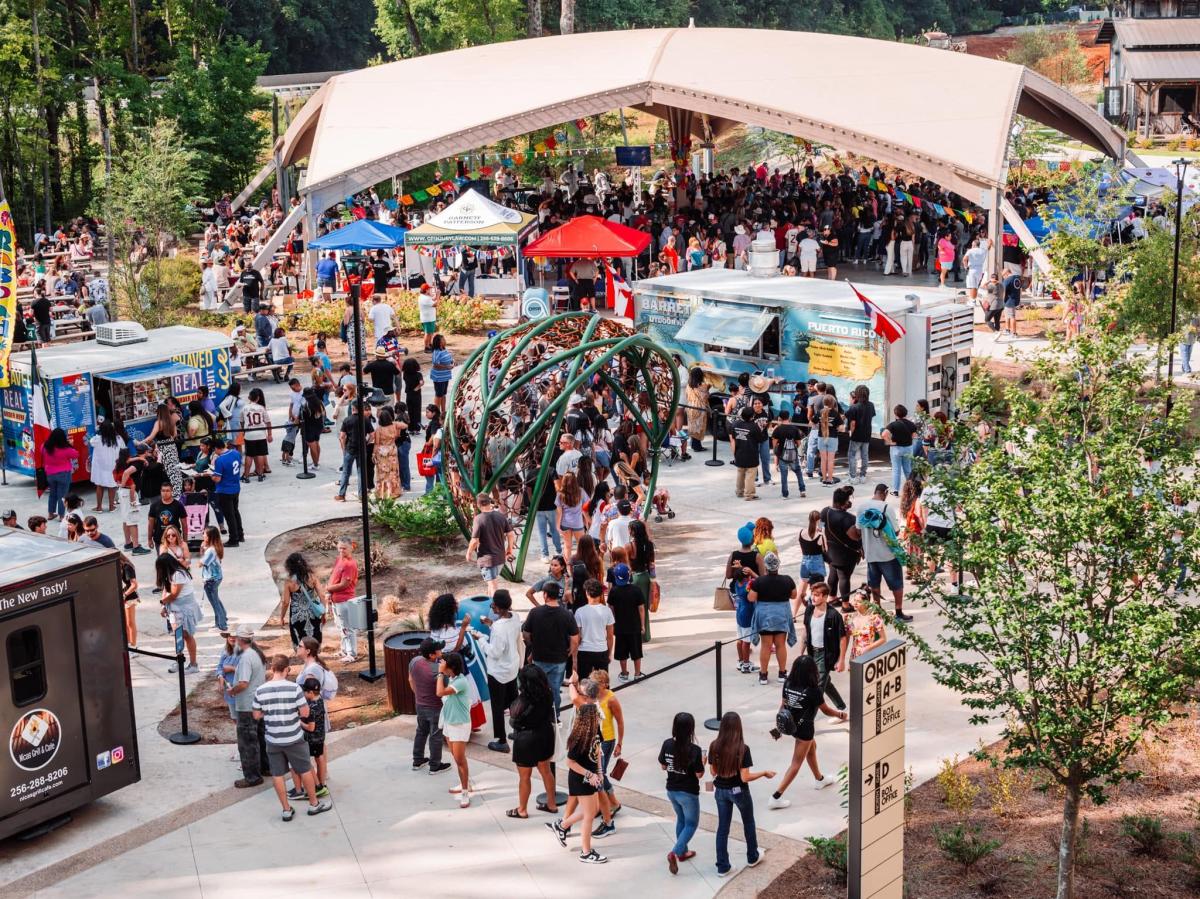
We're not trying to establish another Broadway or Sixth Street or Bourbon Street. We're kind of going with more of a quality over quantity approach.
“We're not trying to be a Nashville or an Atlanta or an Austin,” he said. “We're trying to build this strategically and create our own music identity — one that fits our community values.”
So what is the Huntsville sound? He would not give me one genre, and I do not think he was dodging. If pressed, he would point at voices — the vocal talent coming out of this region — and at a specific kind of chemistry.
“It's that engineering culture of Huntsville combined with the sound engineering of the Shoals,” he said.
He also does not think music replaces the rockets. It sits next to them. “We'll always be the Rocket City,” he said — but the goal is that people know NASA is here and that there is an amazing music scene here. If you are in town for space tourism, stay two more days and catch a show at the Von Braun Center, the Tip Top Cafe or the Orion. Austin is the live music capital of the world, he notes, and it is also Dell and the University of Texas.
And there is a hard-nosed economic reason behind it. Huntsville's problem is an enviable one: very low unemployment and a large number of open, high-paying jobs at NASA, the FBI and Redstone Arsenal. The people who can fill those jobs are educated, in demand, and have options about where to live.
“Music is a thing that a lot of people like to do after 5 o'clock,” Matt said. That is the whole argument, really.

The Ladder: House Shows to the Orion
I asked why a city needs small rooms if it already has big ones. This is the answer I will be repeating to people.
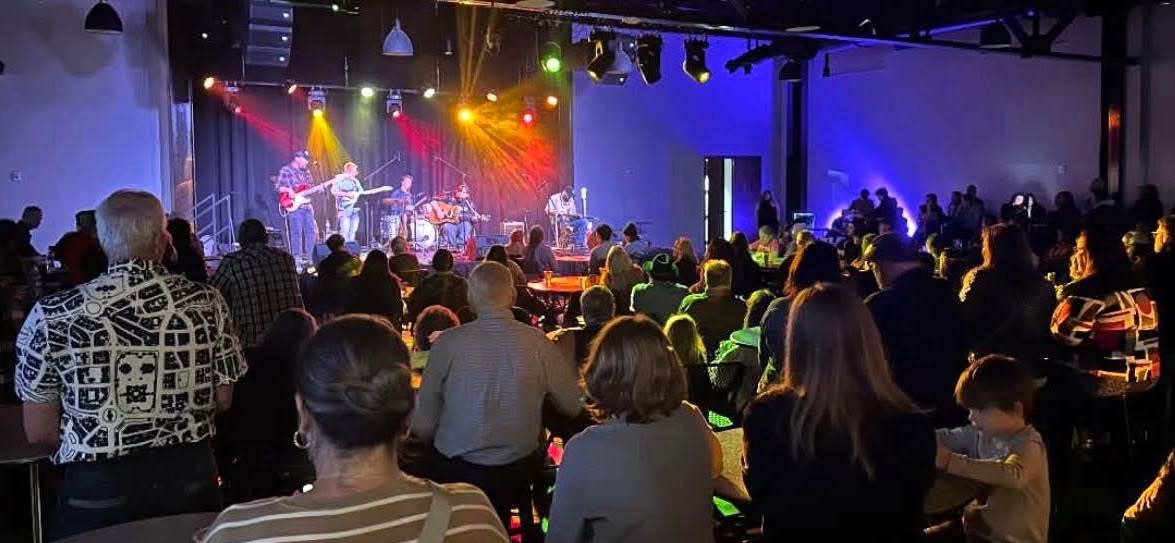
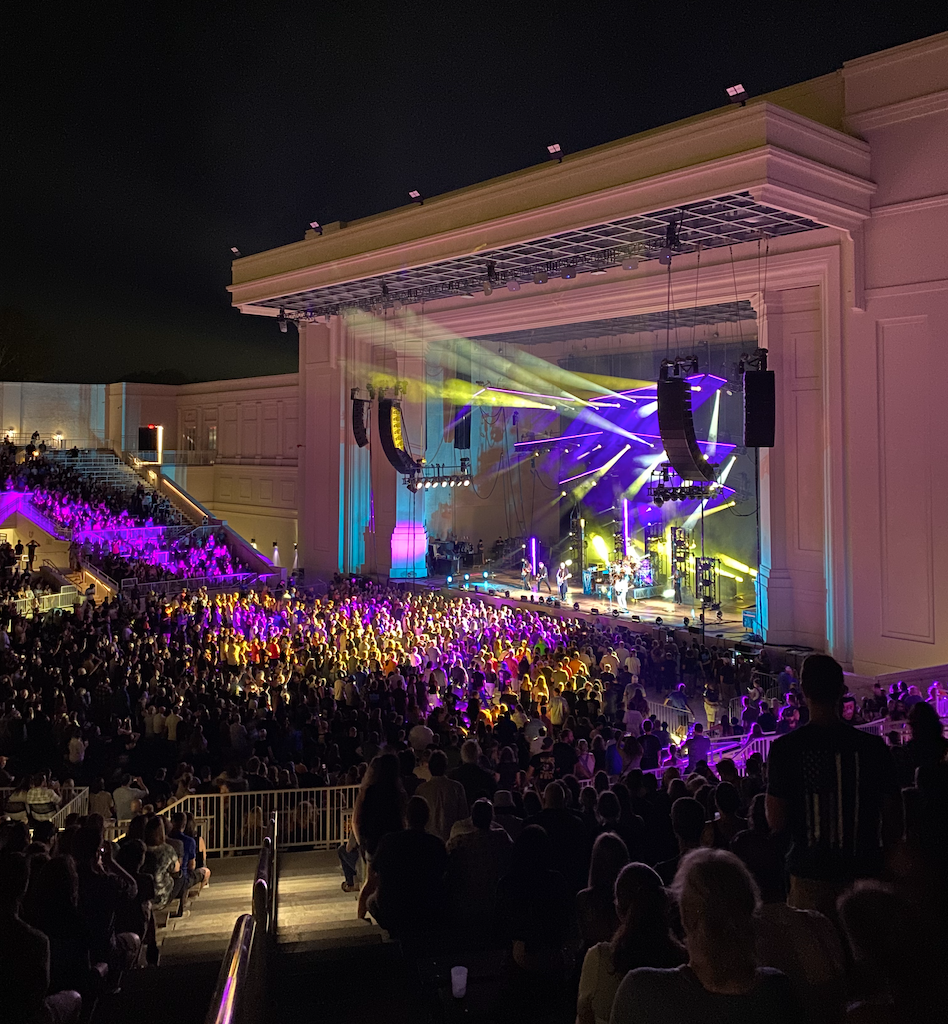
“Artists need a pathway to grow,” Matt said. Coldplay, the Beatles, anybody — two people in a room is where it starts. So the ladder matters: house shows, then the 50-capacity listening rooms, then the 200-capacity bar and grills, then 400, then 800, then Mars Music Hall, then the concert halls, then the Orion.
“If you can play the Orion, you have by all means made it in this industry,” he said. “But to get to the Orion, you have to start at the house shows.”
The music office is actively trying to build out a house show ecosystem in Huntsville for exactly this reason. And the rungs are not only for the artists — they are where sound engineers learn to run a board, where a hospitality sector gets built.
Matt's favorite proof of it is a Facebook post. Rocket City Honky Tonk — run by the same team that used to run SideTracks — will pull up a photo from five years ago of an artist who played their room, back when that artist was playing rooms like theirs. Then Mars Music Hall. Then the Orion.
Which, if you have been to the Princess Theatre here in Decatur, will sound familiar. I go as often as I can, partly because they so often do a meet and greet after the show. You get to talk to the artist. You get the picture. And later you get to be insufferable about having seen them before they blew up.
Huntsville and the Shoals Are Not Competing
We have talked a lot about the Shoals on this podcast — Bay Simpson, Debbie Wilson at Muscle Shoals Sound, Rodney Hall at FAME — so I wanted to know how Matt sees the region fitting together.
His answer was a phrase he used about four times: a rising tide lifts all boats.
“We consider local music North Alabama music,” he said. The recording infrastructure in the Shoals is, in his words, second to none, and it complements what Huntsville has built on the live side. So when a touring artist comes through the Orion or the VBC, part of the job is making sure they know what studios are sitting an hour down the road.
He is honest about why that helps Huntsville, too. “I don't think we're ever going to be able to say that the Rolling Stones came to Huntsville,” he said. “We don't have a venue their size. But they came to North Alabama. The Shoals brought them here.”
That collaboration is literal. The third annual Rocket City Ramble — Huntsville's day party at AMERICANAFEST in Nashville — runs September 17 and 18 at Acme Feed & Seed, and FAME Recording Studios is one of the partners helping shape the lineup.
He extends the same logic east to us. Decatur landing Rock the South, the continued investment in the Princess, the Alabama Center for the Arts campus that Calhoun and Athens State run together — Matt sees all of it as the same project.
“There's not a single city in the whole world that can deliver everything that every artist needs to grow and sustain their careers,” he said. He does not think it would make sense for Decatur to build an Orion, and he does not think it would make sense for Huntsville to build a Princess. “We wouldn't want to do anything that would put our neighbors' music scenes in jeopardy.”
There is a version of this job that is purely competitive. Matt's take on why it is not: “In the private sector world of music, if somebody copies what you do, you send a cease and desist letter.” On the civic side, Huntsville launched the Music Ambassador Program, which helps local artists cover the cost of touring in exchange for repping the city while they are out — and which the city bills as the first strategic music export program in the country launched and administered at the municipal government level. When Tulsa built something similar, he said, “that was all high fives.”
LAUNCHPAD Moved Out of the Park
September is Huntsville Music Month, and this year it carries more than 200 events. It started as the audit's recommended Music Week, and the office decided a week was not enough room.
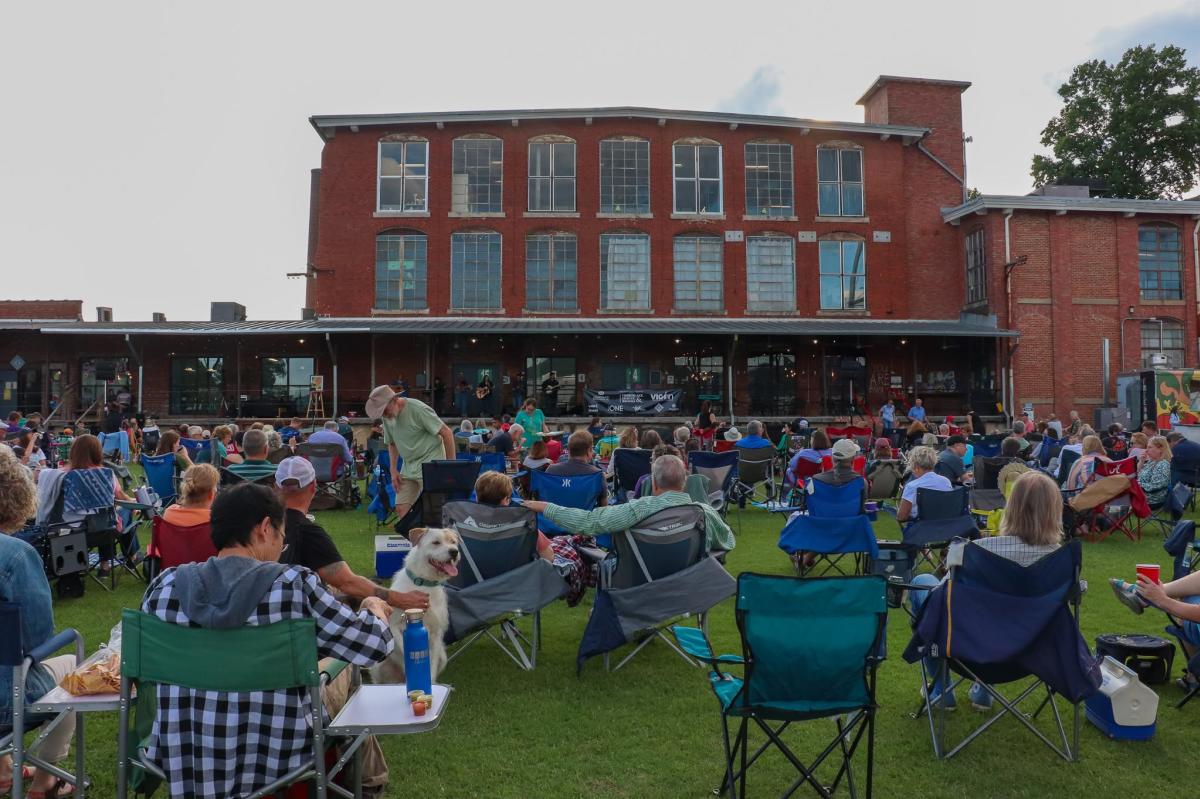
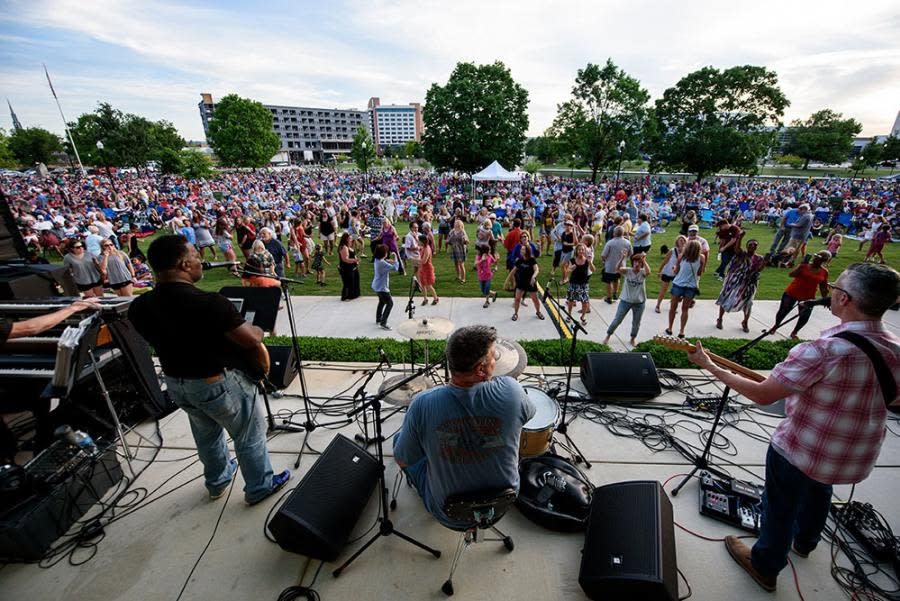
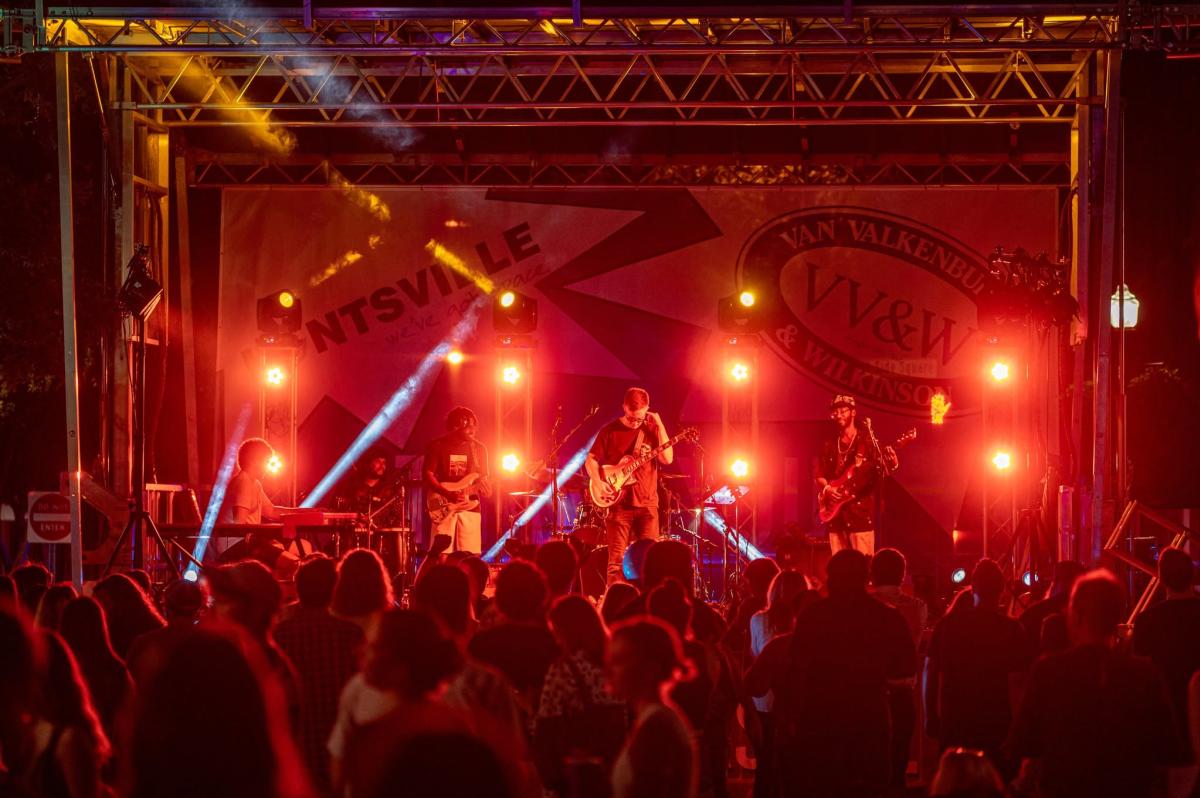
LAUNCHPAD is the kickoff, and this year it changed shape entirely. For three years it was a stage in Big Spring Park with a handful of artists a night. In 2026 the office moved it out into eight independent venues — Furniture Factory, Goodbye Horses, Lone Goose Saloon, Lowe Mill, Rocket City Honky Tonk, Stovehouse, Tip Top Cafe and Voodoo Lounge — with free shows over two nights and a couple dozen mostly local and regional artists on the bill.
The reasoning is the kind of thing I wish more festivals thought about.
“Instead of showcasing six artists downtown in a public park,” Matt said, the fans coming out “are actually patronizing these businesses and supporting the local venues.” The artists get a bigger spotlight, the venues get marketing muscle they could not buy, and the money spent on food and drinks stays in the room.
He thinks the model is here to stay. Based on the feedback, I would bet he is right.
Where to Go on a Random Weekend
Say you are coming to Huntsville for a weekend that has nothing to do with Music Month. Matt's advice, in order:
Start at the calendar. huntsvillemusic.com. A team curates it, and any artist or venue can submit an event for free.
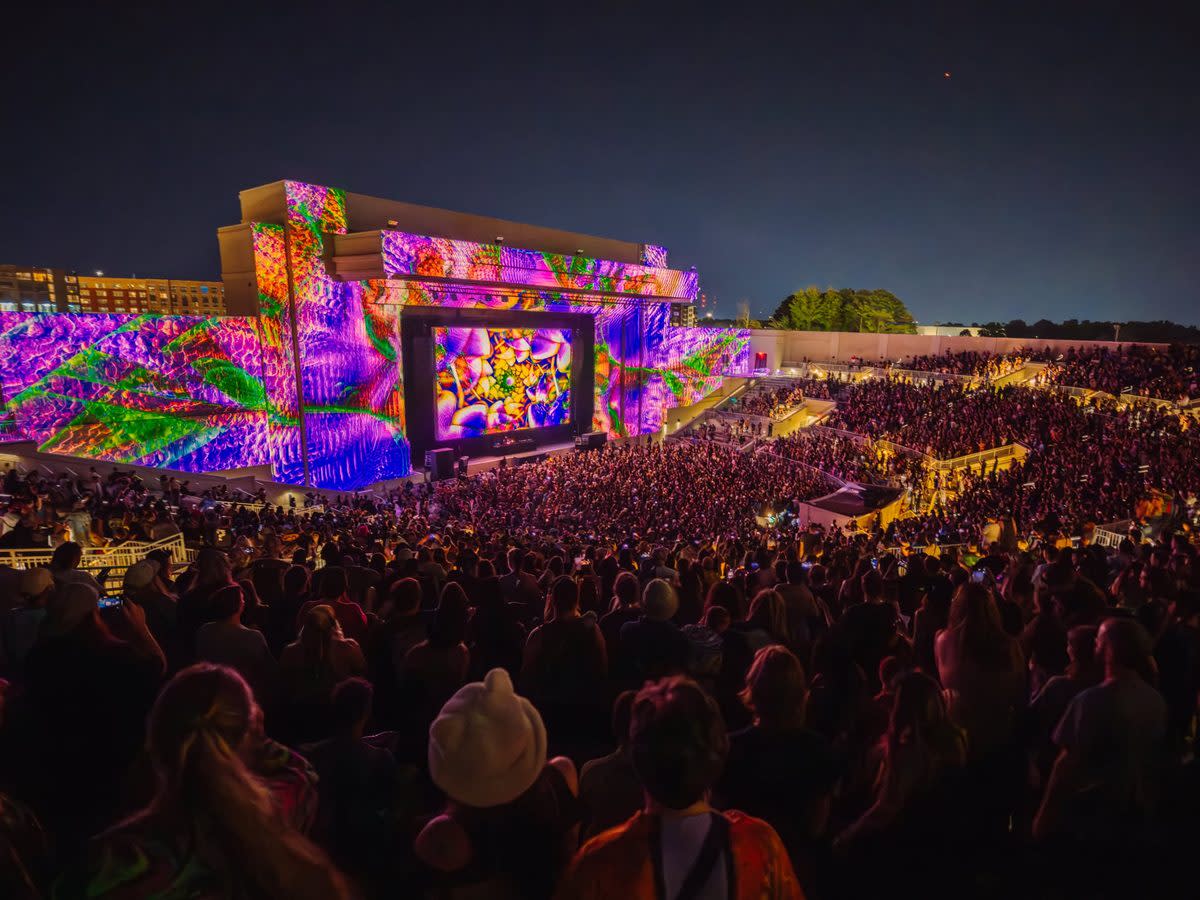
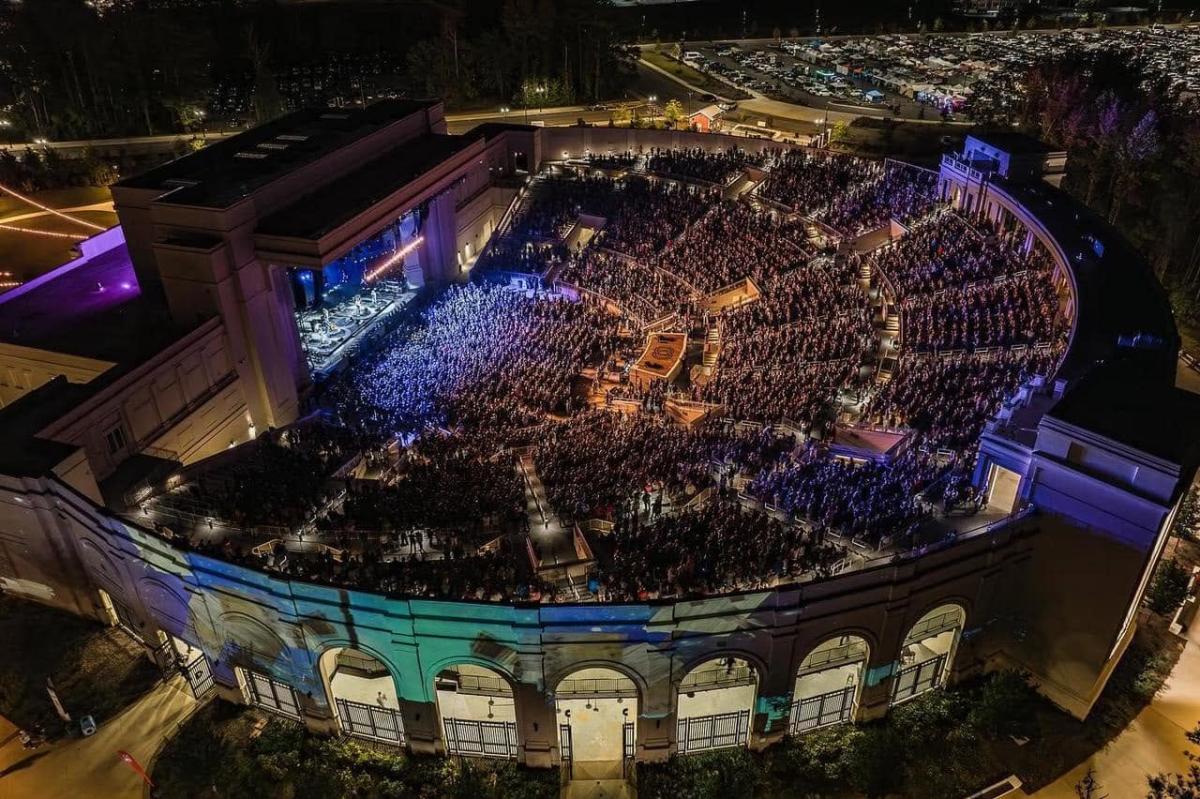
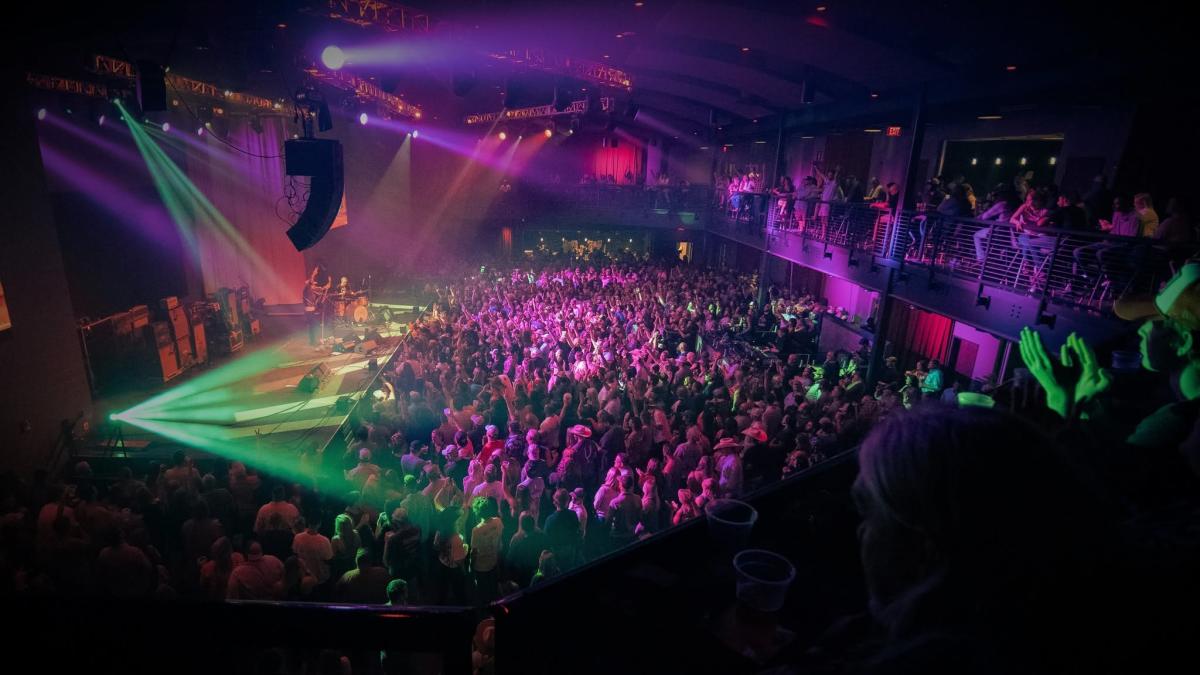
If there is a show at the Orion, go. He is still in the honeymoon phase with it, and he is not hiding it. The Orion holds 8,000 people, but it is built so vertically that from the stage you can see every face in the room. “It feels more like a 4- or 5,000-seater,” he said.
Walk through the Von Braun Center even if nothing is on. There are very few facilities anywhere with an arena, a concert hall, restaurants, convention space, Mars Music Hall and the Saturn Ballroom all on one site and under one roof. It just passed its 50th anniversary — it opened in March 1975 — and Matt's point is that you would never guess it.
Then go find the old buildings. Lowe Mill, Campus No. 805 and Stovehouse — an old textile mill, an old middle school and an old stove factory, all now full of makers, food and music. And Mid City, where he says there seems to be a new tall building every time he drives through.
“It all starts with that music calendar,” he said, “and you just kind of go where the sounds take you.”
Kiki
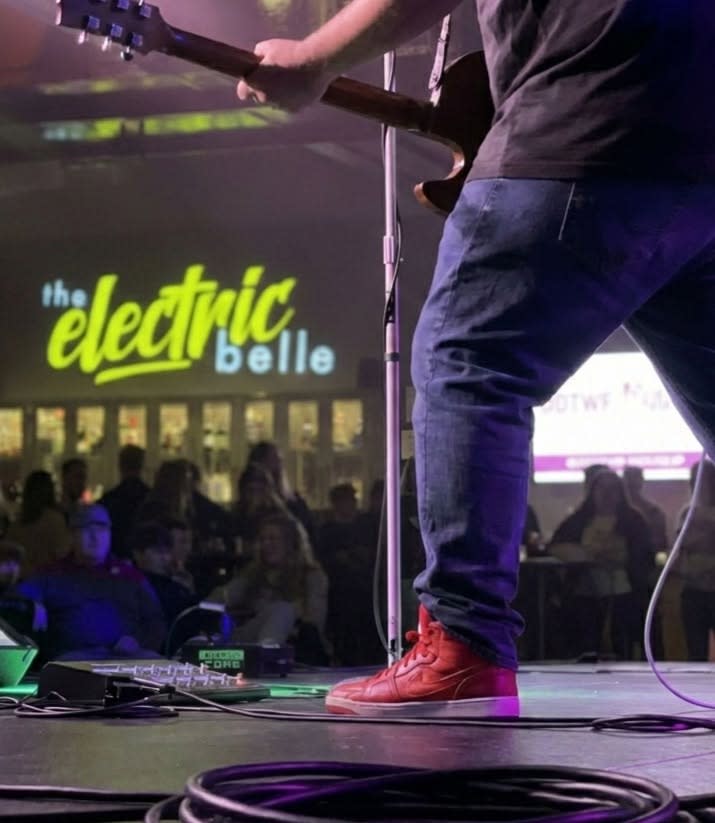
I close every episode by asking what has surprised the guest most. Matt had just gotten back from Sweden.
The music office launched its first international export and exchange program this year. Three Huntsville artists — Common Man, Jayne Huntsman and Hugh Lindsey — were selected for TIVEDEN, an Americana songwriter residency that puts writers from several countries out on the water, cut off from the world, and has them write together for a week. This year's expanded program added partnerships with Huntsville and with Iceland Sync. Then everyone heads to Örebro for Live at Heart — Scandinavia's biggest showcase festival, and the closest thing Sweden has to South by Southwest — where Huntsville hosted the opening night showcase on September 2.
Matt went in with modest expectations. First year over there, no Huntsville presence in Sweden before this.
The room hit capacity five minutes into the first act and stayed standing room only all night.
But the part he kept coming back to was a woman who introduced herself during the showcase.
“This sweet older woman just came up, heavy Swedish accent, and said, are you Matt?” She had lived in Huntsville for four years — her husband was an aerospace engineer — in a house with pillars on a golf course in Hampton Cove, and she missed it. When she heard Huntsville was going to be in Sweden, she traveled a couple of hours across her own country to come.
She was not really there for the music. She wanted to talk to people from Huntsville.
“We will never forget Kiki,” Matt said. “If Kiki's listening — thank you for being awesome.”
That is the whole tourism argument in one person, honestly. We travel all over promoting North Alabama and we meet people from everywhere who have come for the studios in the Shoals. Now Huntsville is on that map too.
How to Actually Help a Local Band
Every episode, I ask our Facebook followers what they want to know. This week: how can everyday fans support independent artists and small venues outside of festivals?
Matt did not hesitate.
Show up. “That is easily number one.”
Buy the merch. With streaming where it is, merch is one of the few engines left that sustains a working artist. Buy directly from them. If they do not have anything for sale, tell them to fix that.
Buy something at the venue. The margins on live music rooms are painfully thin. If you do not drink, get a water or a soda anyway. Tip the staff. Tip the band.
Bring a friend. “Even just ten more people at a concert can change the whole trajectory of not only that show, but other shows in the future.”
And the free one, which as a social media person I will die on a hill about: engage with their posts. Like, share, comment. It is not nothing. Bookers and talent buyers look at follower counts and engagement when they are deciding who gets the opening slot on a tour.
What's Next
The 2026 audit pointed at the next gap, and it is behind the scenes.
The live scene is thriving. What Huntsville does not have yet, at scale, is the support layer — more studios, more managers and agents, licensing support, the professional infrastructure an artist needs to build a career without leaving. That is the next build.
Bigger picture, Huntsville is a founding member of the Association of Music Offices, which launched in May 2026 with fourteen founding members — the Texas Music Office, the Tennessee Entertainment Commission, Dallas, Tulsa, New Orleans, North Carolina, Louisiana, Oklahoma and others — with the Recording Academy as an industry partner. The point is to share what works so that a good idea out of Dallas can become a Huntsville version of that idea a year later.
“The more people you have coming to work every day thinking about this stuff,” Matt said, “it's just better for communities and industry as a whole.”
Plan Your Trip
Start at huntsvillemusic.com — the calendar, the programs and the Huntsville Music Month schedule all live there. Follow the Huntsville Music Office on Facebook and Instagram, and tag them when you are out at a show; the Instagram feed leans on what fans post.
If you are planning around Music Month, September is the month to come. If you are not, come anyway and let the calendar decide for you. And if you are coming for the rockets, give yourself two extra nights.
Listen to the Full Conversation
There is more in the episode than fit here: Matt's crash course in Austin running a struggling 400-capacity venue and working 400 to 500 concerts a year, what it is like to drive past a line of people waiting to walk into Elvis's house every single morning on your way into work, and why he thinks the coolest people in any city are the musicians who live there.
Listen to Episode 122, “Unexpected Adventures During Huntsville Music Month with Matt Mandrella,” on Apple Podcasts, Spotify, or wherever you listen.