
From ancient Indigenous civilizations and frontier settlements to world-changing music, Olympic triumphs, and the race to the moon, discover the places that reveal how North Alabama helped shape the American story.
America's story isn't told in just one place.
It's woven together through countless communities, remarkable people, breathtaking landscapes, and defining moments that span thousands of years. As our nation celebrates its 250th birthday, there's no better time to explore the places where history comes alive.
In North Alabama, America's story begins long before 1776. It starts with Indigenous cultures who called this land home for thousands of years. It continues through the birth of a new state, the courage of trailblazers, the music that changed the world, the scientists who helped send humans to the moon, and the natural landscapes preserved for future generations.
Whether you're planning a weekend getaway or an unforgettable road trip, these 16 chapters invite you to discover the people and places that continue to shape our nation.
So grab your keys, cue up your favorite road trip playlist, and let's turn the page on America's story - one North Alabama destination at a time.
Chapter 1: The First Peoples
Before there was America, there was this land.
Long before America declared its independence, and long before Alabama became a state, the valleys, rivers, and forests of North Alabama were home to thriving Indigenous communities whose history stretches back thousands of years.
Begin your journey at Russell Cave National Monument, where archaeological discoveries reveal more than 10,000 years of human occupation. The cave served as a seasonal shelter for generations of Native peoples, and the artifacts uncovered here provide one of the most complete pictures of prehistoric life in the Southeast.
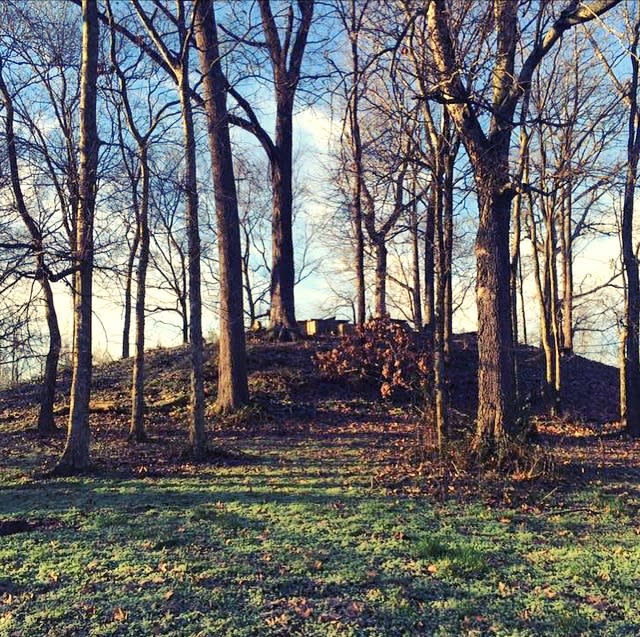
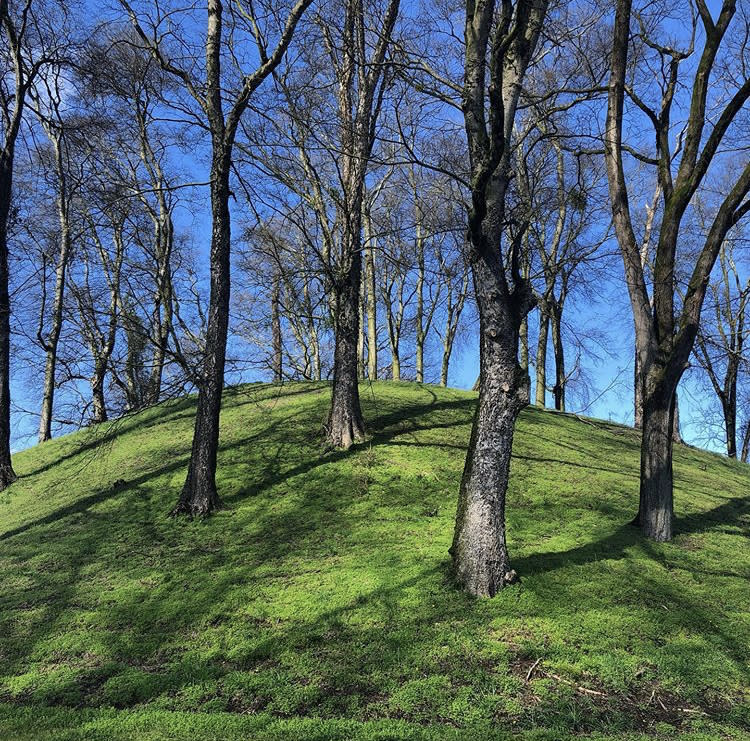
Continue the story at Oakville Indian Mounds Park and Museum, home to one of Alabama's largest ceremonial mound complexes. These earthen mounds, built centuries ago, remind visitors of the sophisticated societies that flourished along the Tennessee River.
Then visit Florence Indian Mound and Museum, where the largest surviving domiciliary mound in the Tennessee Valley still stands as a testament to the ingenuity and culture of the Native peoples who lived here between A.D. 1000 and 1500.
Together, these remarkable places remind us that America's story began thousands of years before the nation's founding.
Chapter 2: Becoming Alabama
Every state has a beginning. Alabama's began here.
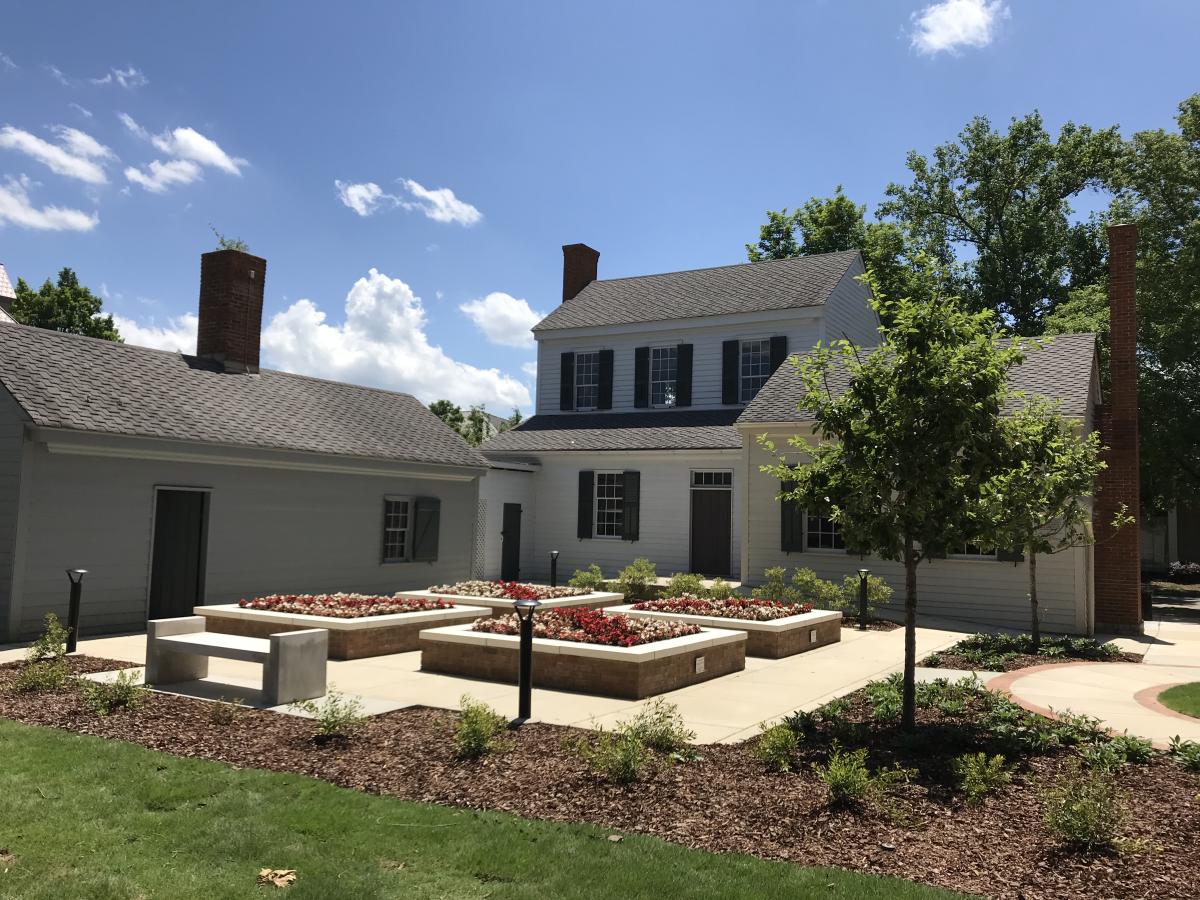
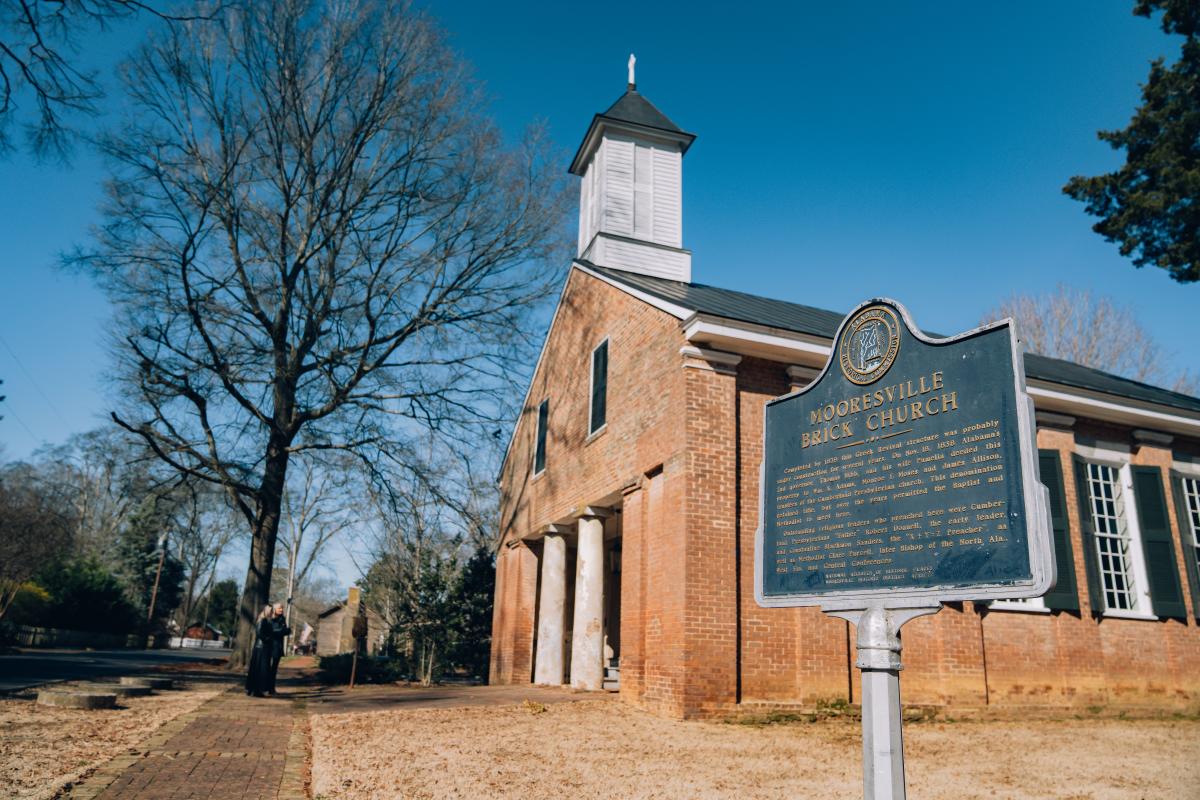
Long before Alabama officially became the nation's 22nd state, communities were already taking root across the Tennessee Valley. One of the best examples is Mooresville Historic District, incorporated in 1818—one year before Alabama achieved statehood. Today, the tiny historic town remains remarkably preserved, with tree-lined streets, early homes, churches, and public buildings that offer visitors a rare glimpse into frontier life before Alabama was even a state. Just beyond the historic district, 1818 Farms carries that spirit of craftsmanship and community into the present day. Known for its picturesque gardens, lavender fields, heritage farm, and handcrafted bath and body products, the farm has become a destination that beautifully blends North Alabama's agricultural traditions with modern entrepreneurship.
Just a short drive away in Huntsville, delegates gathered in 1819 to draft Alabama's first constitution, preparing the territory to join the Union. At Alabama Constitution Hall Park, visitors can step into a recreated frontier village and experience the sights, sounds, and craftsmanship of early Alabama.
Blacksmiths shape iron over glowing coals. Printers demonstrate early presses. Log cabins and workshops provide a window into everyday life during this pivotal chapter in the state's history. Together, Mooresville and Constitution Hall tell the story of a young frontier finding its identity as Alabama prepared to become part of a growing nation.
Chapter 3: Finding a Voice
One word changed the world: 'water.'
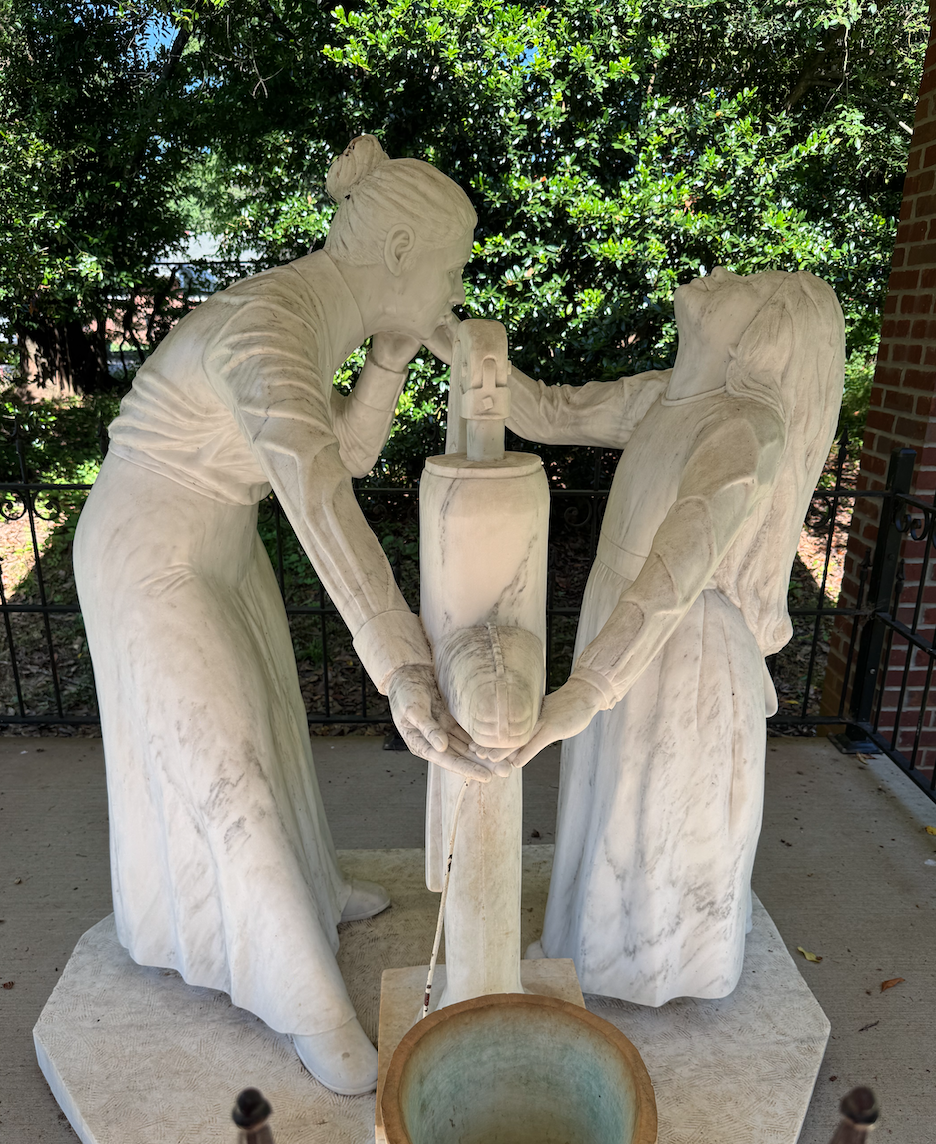
One moment at a water pump changed the course of history.
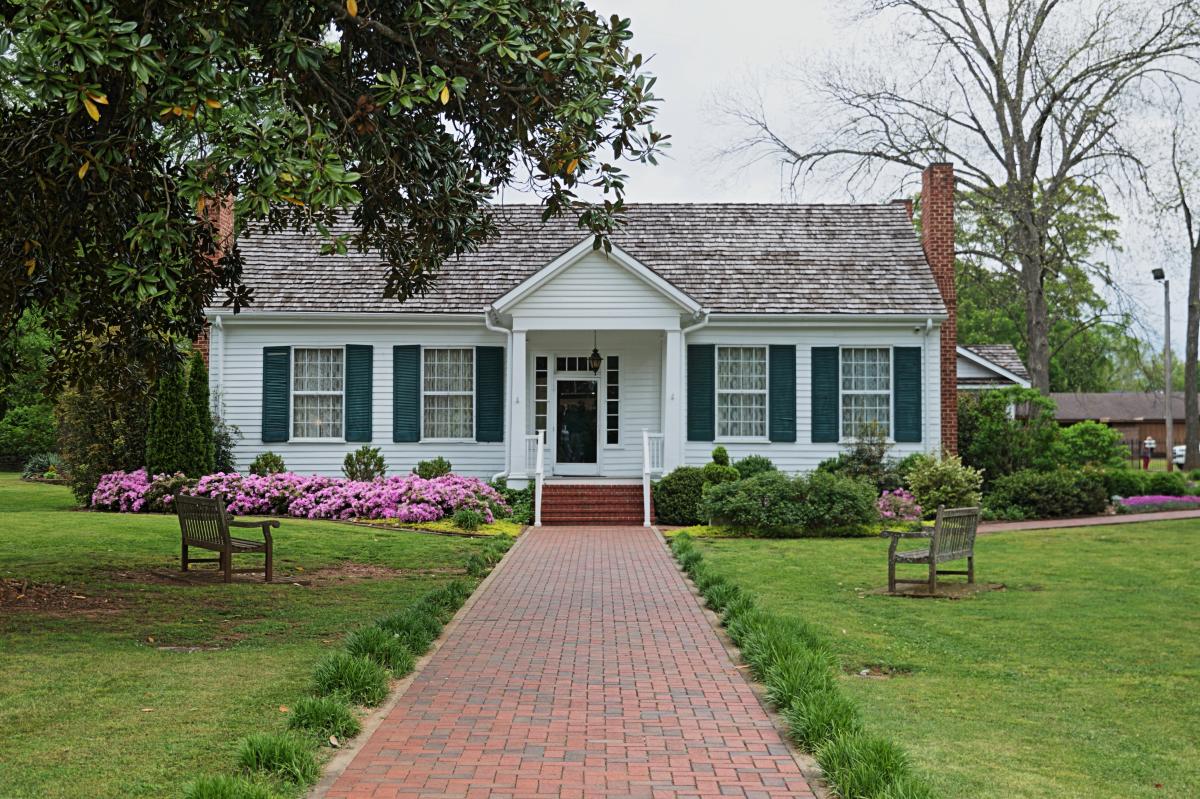
At Helen Keller Birthplace (Ivy Green), visitors can stand in the very place where Anne Sullivan helped Helen Keller connect language with the world around her. That breakthrough not only transformed Helen's life but also reshaped perceptions of education, disability, and human potential around the globe.
Today, Ivy Green continues to inspire visitors with the story of one of America's most influential advocates, authors, and humanitarians.
Chapter 4: Breaking Barriers
Sometimes courage runs faster than fear.
From a small community in North Alabama came one of the greatest athletes America has ever known.
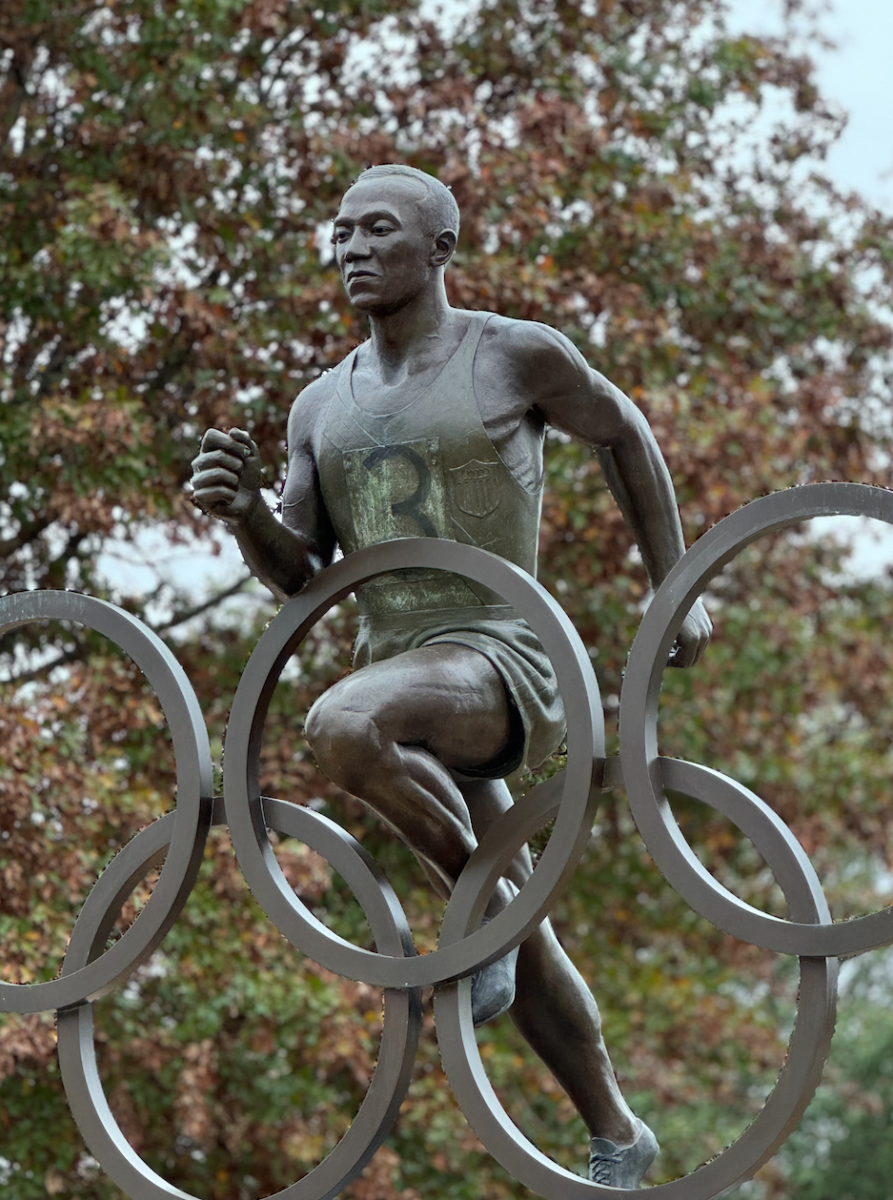
At Jesse Owens Memorial Park and Museum, visitors discover how Jesse Owens' remarkable journey led him to win four gold medals at the 1936 Olympic Games, challenging prejudice and becoming a symbol of perseverance and excellence.
His story reminds us that courage can echo far beyond the finish line.
Chapter 5: The Soundtrack of America
Some places don't just make music; they change it forever.
Sometimes history sounds like a guitar riff.
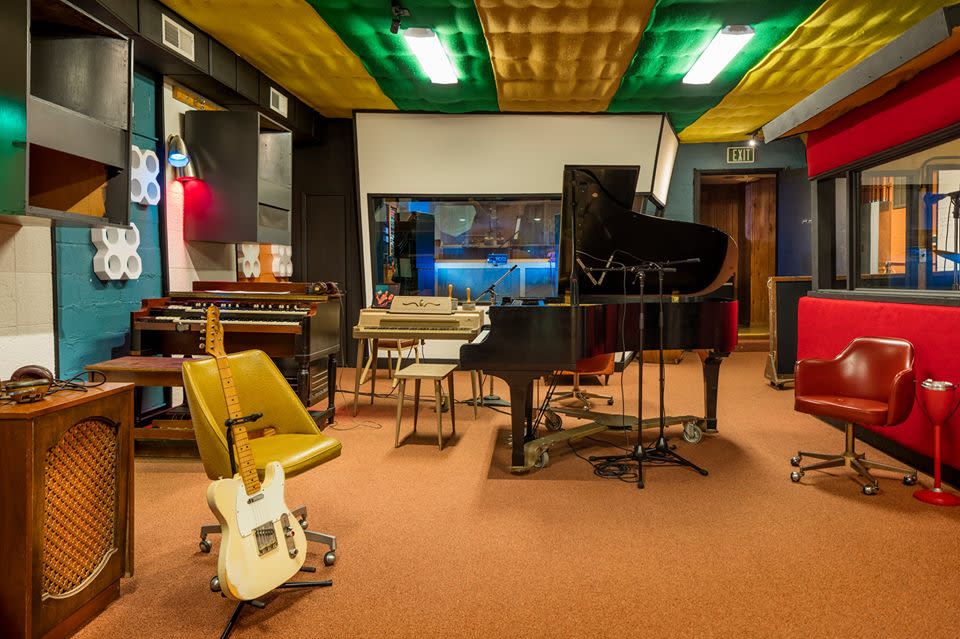
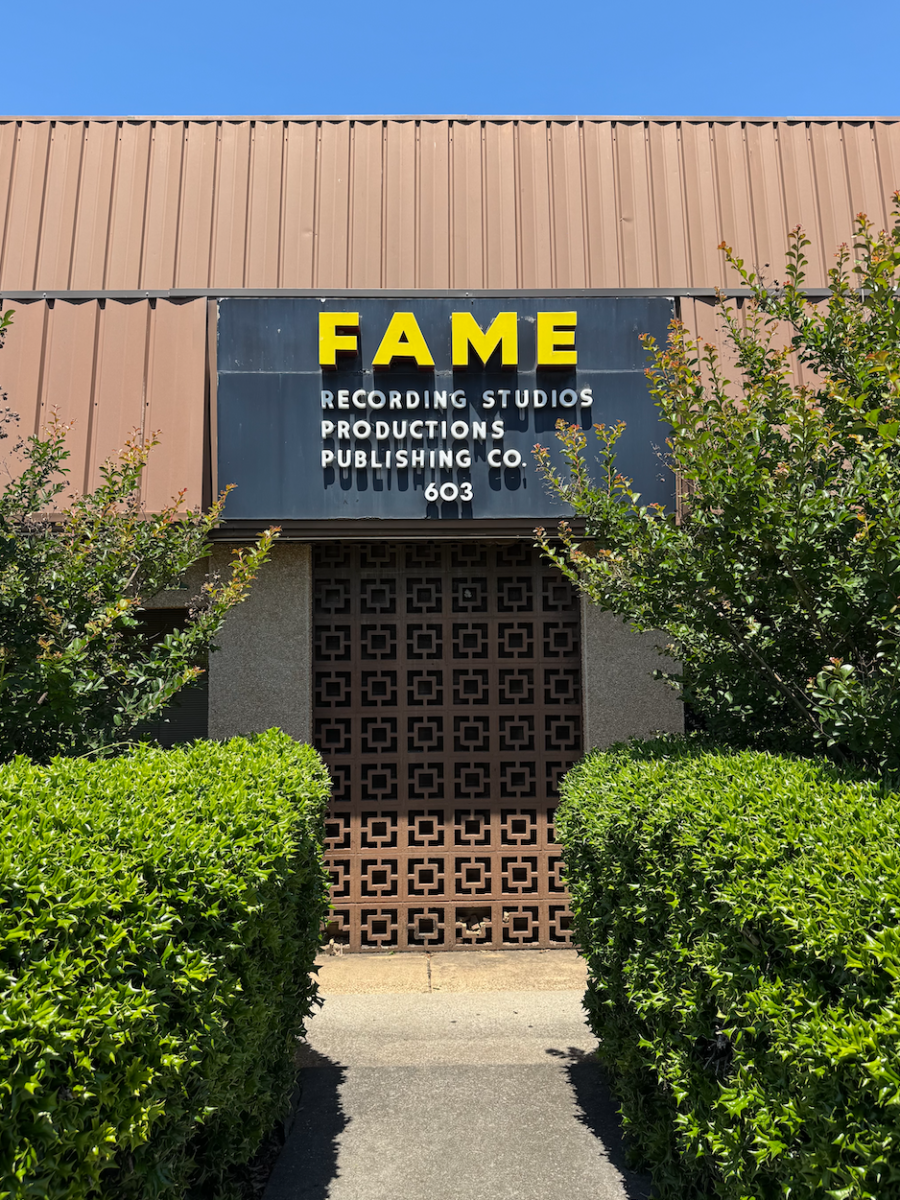
The recording rooms at FAME Studios and Muscle Shoals Sound Studio helped produce songs that crossed generations, genres, and borders. Artists from around the world came searching for the legendary "Muscle Shoals Sound," creating recordings that became part of America's cultural identity. The music created here influenced soul, rock, country, gospel, and pop, leaving an unmistakable mark on the soundtrack of a nation.
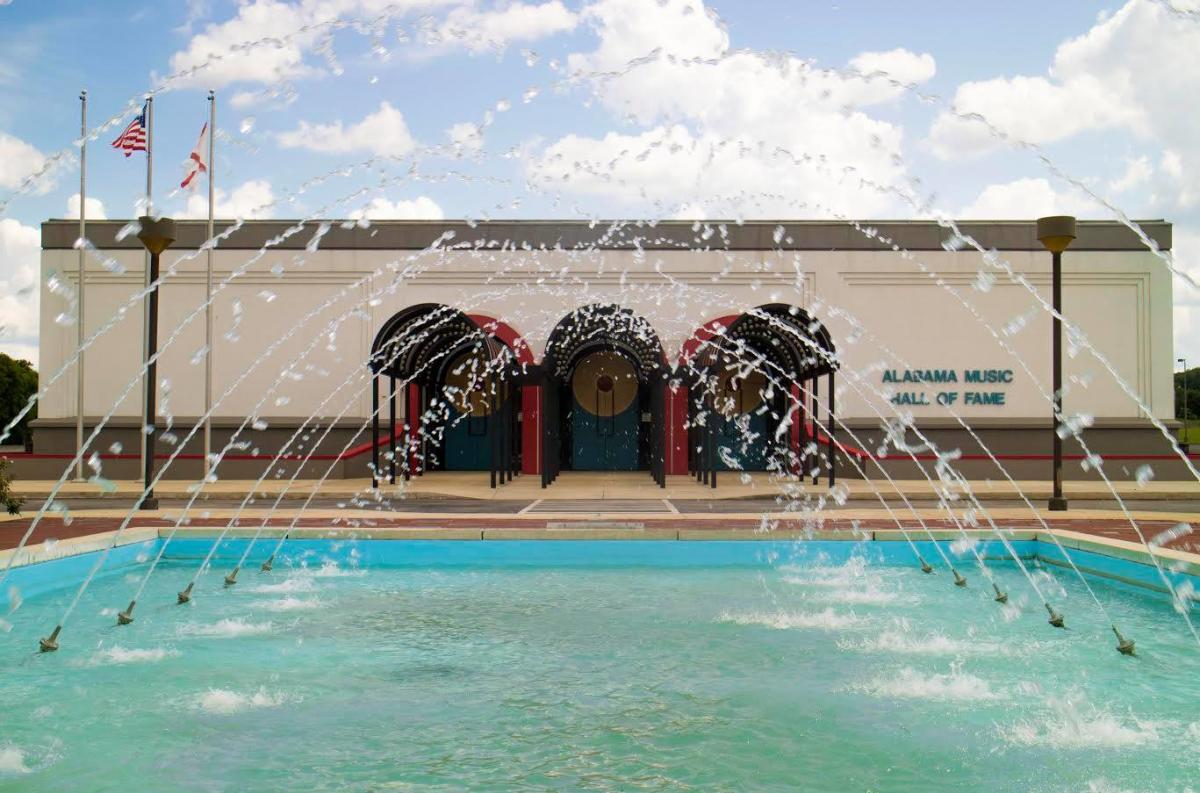
To experience the full story, visit the Alabama Music Hall of Fame, where exhibits celebrate the legendary musicians, songwriters, producers, and industry leaders whose talents have shaped American music for generations. Together, these iconic destinations showcase how a small corner of North Alabama became one of the most influential music destinations in the world.
Chapter 6: Reaching for the Stars
The road to the moon began in North Alabama.
Few places better represent America's spirit of innovation than Huntsville.
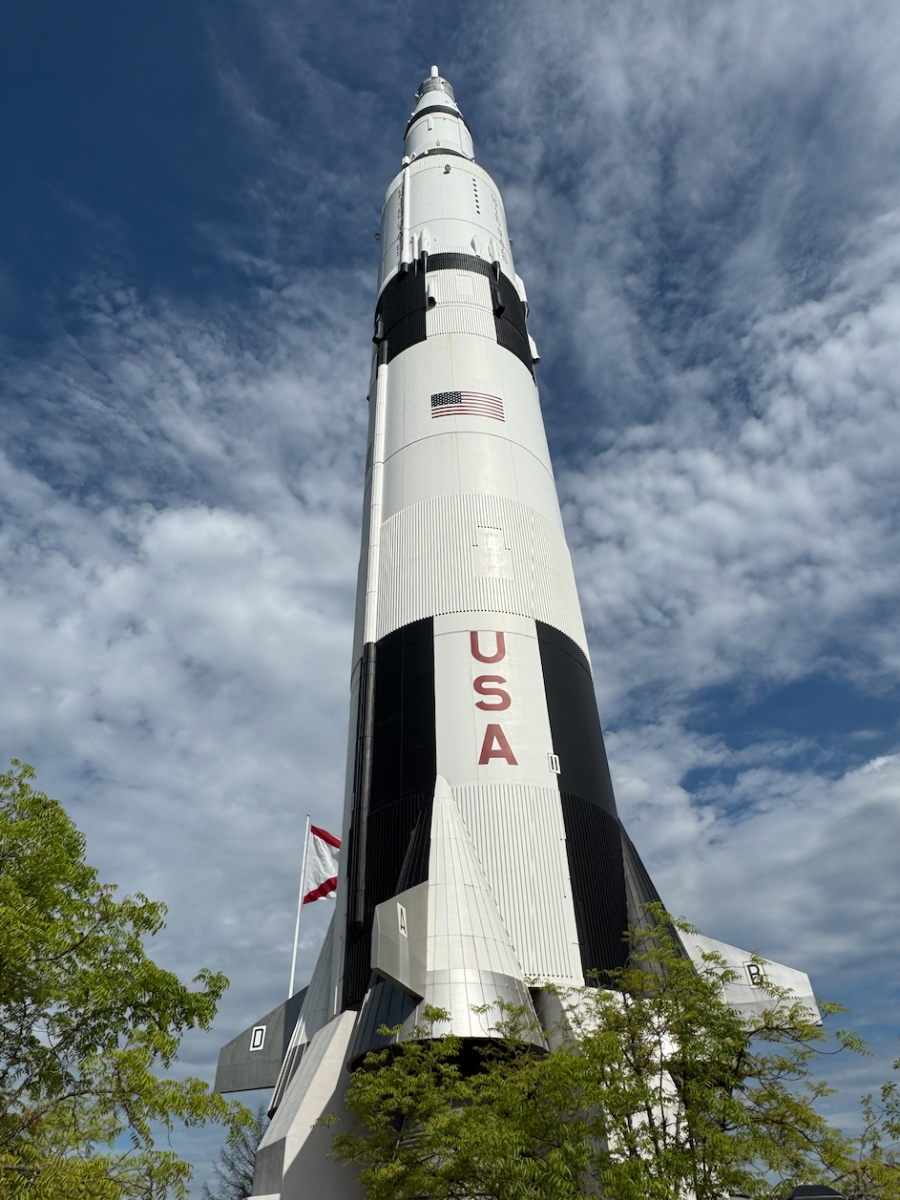
At the U.S. Space & Rocket Center, visitors can stand beneath the mighty Saturn V rocket and experience the incredible story of the engineers and visionaries who helped America reach the moon. Nearby, Redstone Arsenal continues that legacy through cutting-edge research, defense, and technology.
This chapter reminds us that the American story has always been driven by curiosity, innovation, and the courage to explore the unknown.
Chapter 7: Rivers That Built a Nation
Some rivers carry more than water; they carry history.
Long before highways connected cities and railroads crossed the country, rivers served as America's original transportation network. The mighty Tennessee River shaped the growth of North Alabama, carrying settlers, goods, ideas, and opportunity through the region for generations. Communities flourished along its banks, industries emerged, and commerce connected the Tennessee Valley to the rest of the nation.
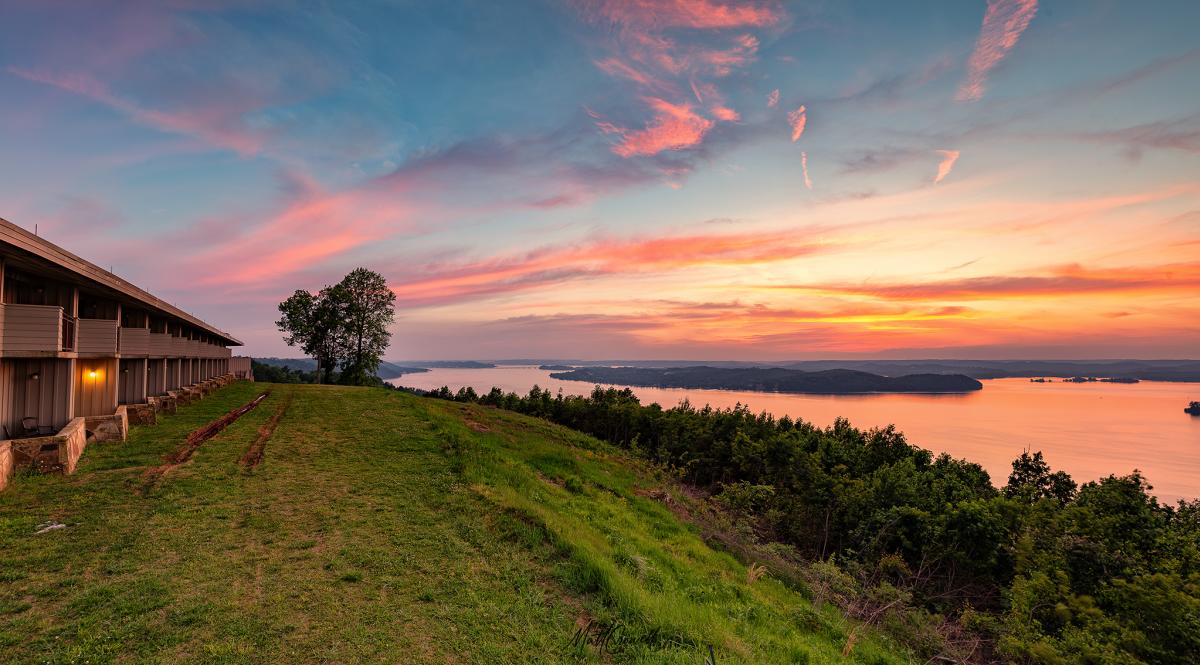
Today, places like Joe Wheeler State Park, Lake Guntersville State Park, Decatur, Wheeler Lake, Guntersville, Scottsboro, and the many riverfront communities that dot North Alabama invite visitors to experience this historic waterway through boating, fishing, hiking, and breathtaking scenery. As you watch the current flow past, it's easy to imagine the countless journeys that helped shape both North Alabama and America.
Chapter 8: Preserving America's Wild Places
The greatest inheritance is a place left wild for those who come after us.
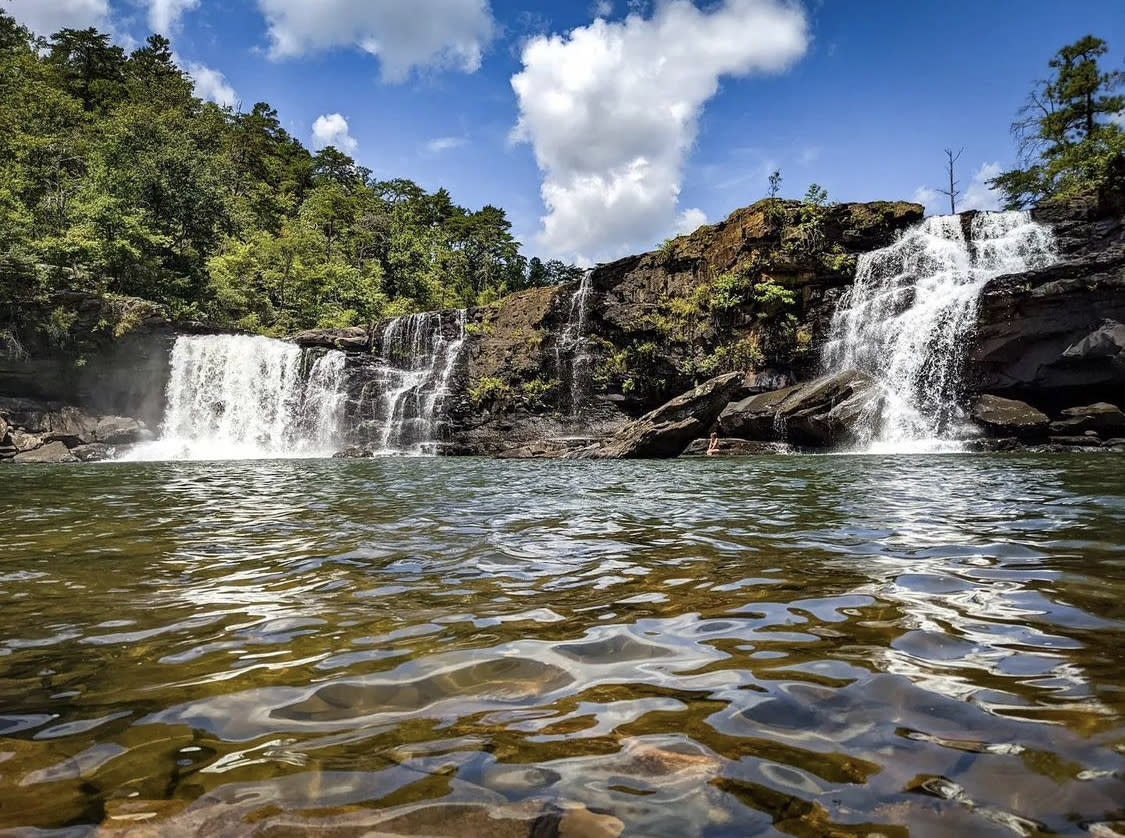
America's story isn't told only through its cities and monuments; it's also written across its mountains, forests, rivers, and canyons. At Little River Canyon National Preserve, visitors discover one of the nation's most remarkable natural treasures, where waterfalls tumble over ancient sandstone cliffs and one of the few rivers in the world that flows atop a mountain continues its journey through the landscape.
Protected places like Little River Canyon remind us that conservation is one of America's greatest legacies. They ensure that future generations can experience the same breathtaking beauty, outdoor adventures, and quiet moments of wonder that have inspired visitors for decades.
Chapter 9: Wonders Beneath Our Feet
Some of America's oldest stories were written in stone.
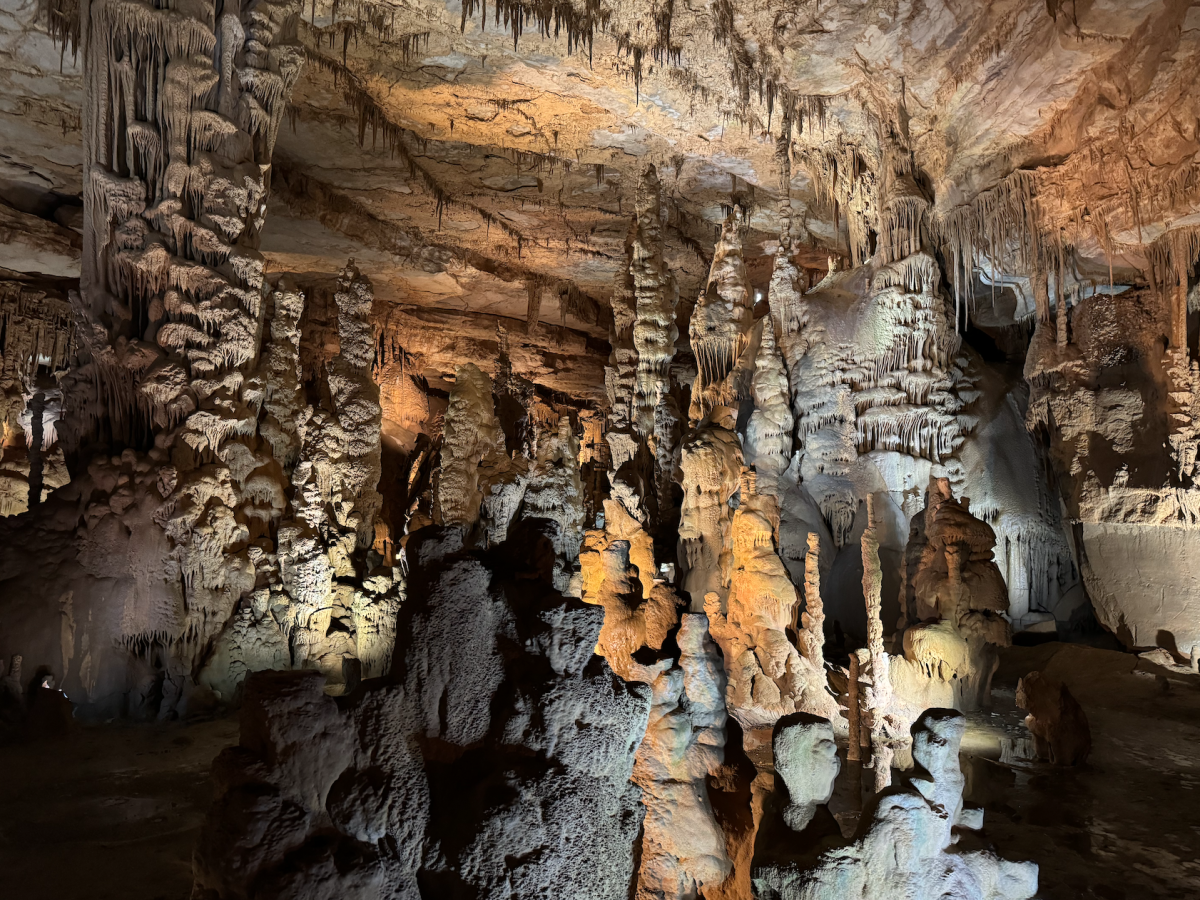
Millions of years before the first people called North Alabama home, nature was creating a hidden world beneath the surface. At Cathedral Caverns State Park, towering stalagmites, delicate formations, and one of the world's largest cave entrances tell a story far older than our nation itself. Deep underground, visitors can explore spectacular rock formations sculpted over millions of years by the slow, steady movement of water.
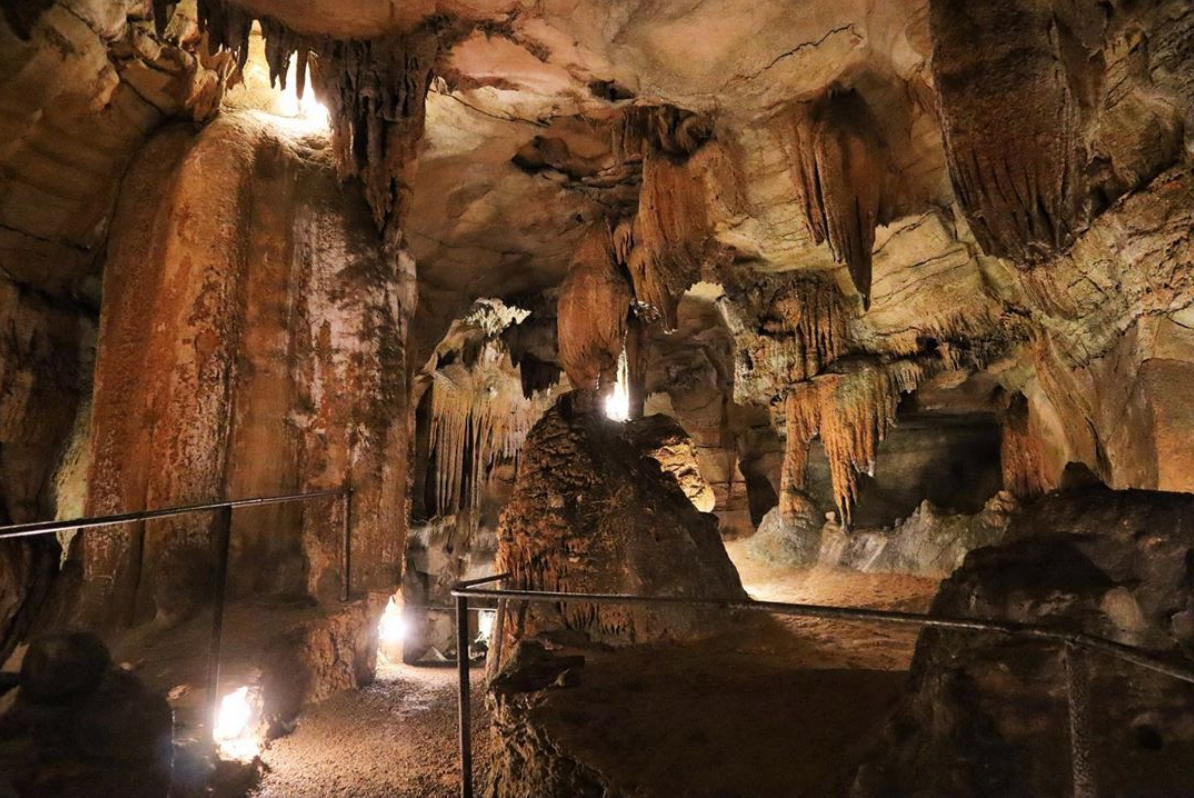
The journey continues at Rickwood Caverns State Park, where winding passageways reveal an underground landscape formed more than 260 million years ago when much of Alabama lay beneath a warm, shallow sea. Guided tours take visitors through chambers filled with impressive stalactites, stalagmites, and other limestone formations that offer a fascinating glimpse into the Earth's distant past.
Walking through these remarkable caverns offers more than an unforgettable adventure. It's a reminder that America's story begins not only with people, but with the extraordinary landscapes that have shaped this continent for countless generations. Together, Cathedral Caverns and Rickwood Caverns invite visitors to step beneath the surface and discover the ancient natural wonders that continue to inspire curiosity, exploration, and awe.
Chapter 10: Building the American Home
Every great nation is built one home at a time.
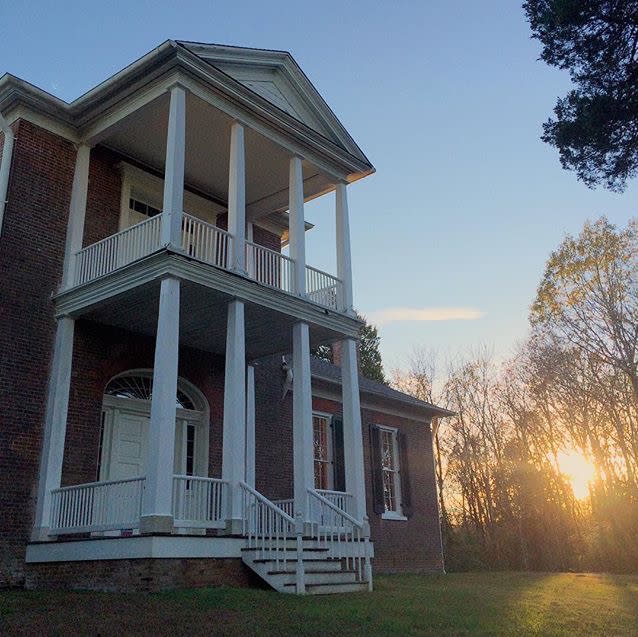
Historic homes do more than preserve beautiful architecture. They preserve the stories of the families, communities, and generations who helped build America. At Belle Mont Mansion in Tuscumbia, visitors step inside one of Alabama's finest examples of Jeffersonian architecture, offering a glimpse into life during the early years of the young nation. Its grand columns, handcrafted details, and beautifully restored rooms reflect the aspirations and craftsmanship of a growing America.
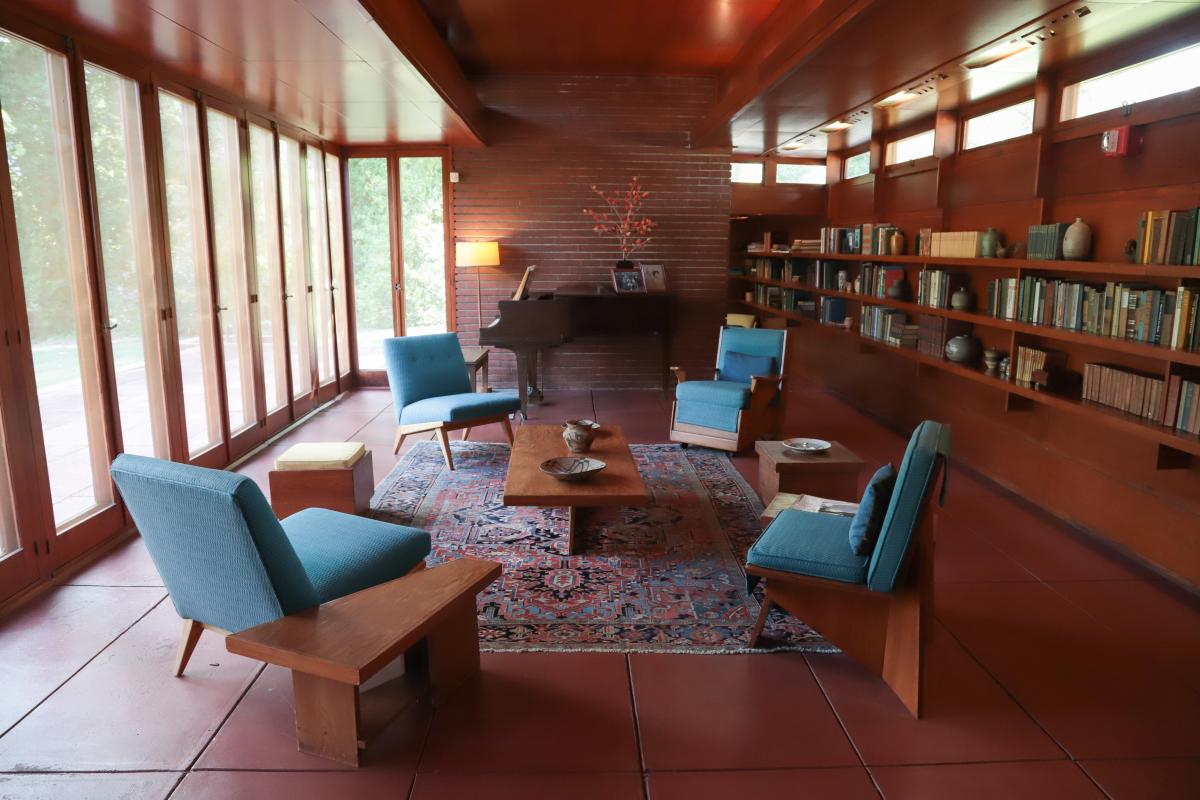
More than a century later, the story of the American home continued to evolve at the Rosenbaum House in Florence, Alabama's only home designed by renowned architect Frank Lloyd Wright. Completed in 1940, the Usonian-style home embodies Wright's vision of beautiful, functional, and affordable architecture for everyday American families. Today, the meticulously restored home stands as one of the best-preserved examples of his work and offers visitors a unique opportunity to experience one of the country's most influential architectural designs.
From the timeless elegance of Belle Mont to the innovative vision of the Rosenbaum House, these historic homes remind us that America's story isn't found only in government buildings or battlefields. It's found around dining tables, on front porches, and in the everyday lives of the people who called these places home. Together, they tell the story of how the American home (and the American dream) has evolved across generations.
Chapter 11: Protecting America's Wildlife
A nation's legacy is measured by what it chooses to protect.
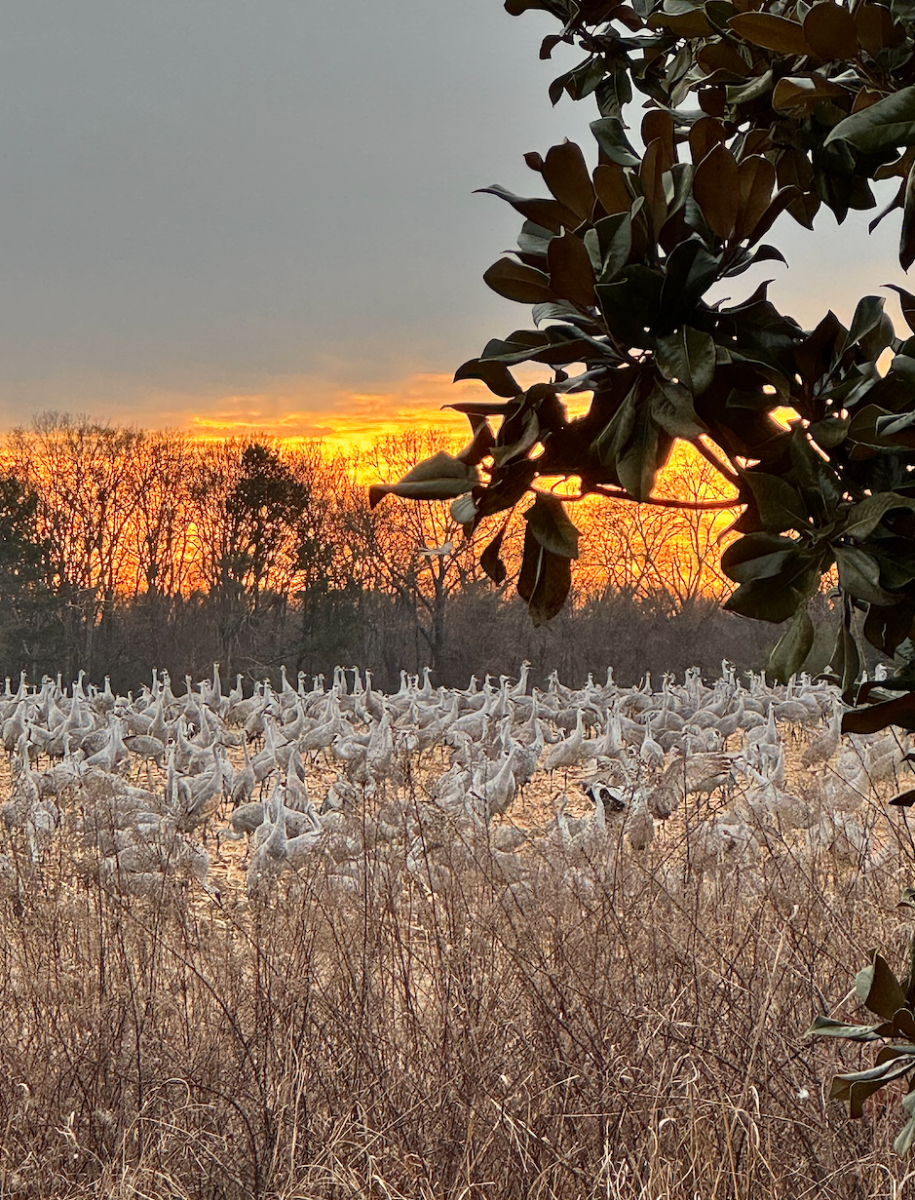
For nearly a century, Wheeler National Wildlife Refuge has served as a sanctuary for migratory birds and countless other species that depend on the wetlands and waterways of North Alabama. Each winter, thousands of sandhill cranes return to the refuge, joined by the occasional endangered whooping crane, creating one of the Southeast's most spectacular wildlife experiences.
Protected habitats like Wheeler remind us that conservation is an investment in the future. By preserving these natural spaces, we ensure that generations to come will continue to experience the incredible diversity of wildlife that has always been part of America's story.
Chapter 12: America's Public Lands
Some of America's greatest treasures have no walls.
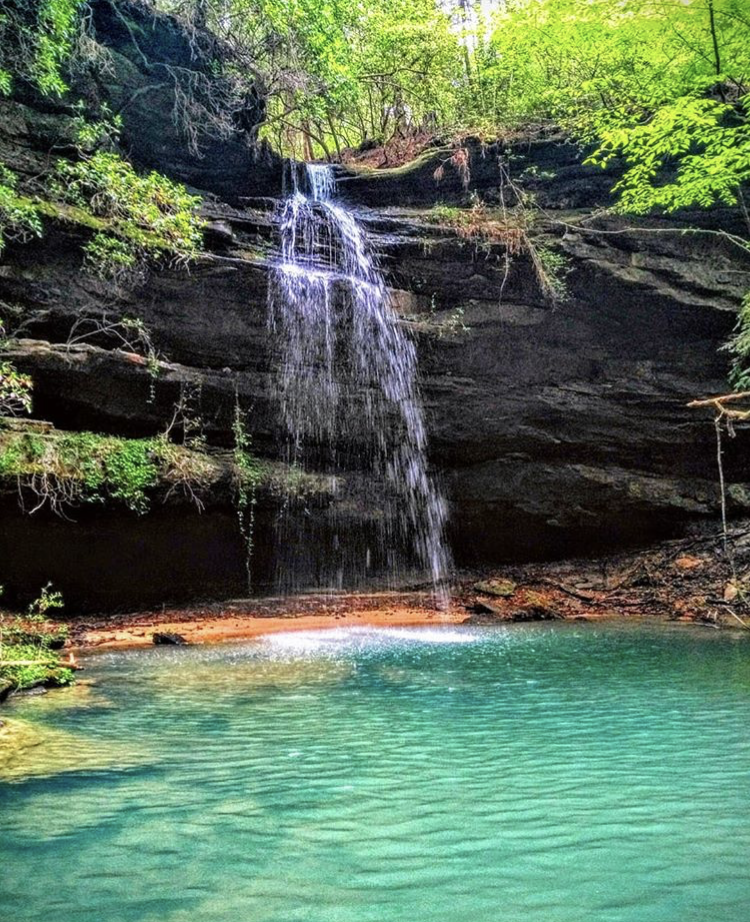
America's public lands belong to everyone, offering places to explore, reflect, and reconnect with nature. In North Alabama, Bankhead National Forest showcases this enduring legacy with miles of scenic trails, hidden waterfalls, towering hardwood forests, and peaceful wilderness.
Often called the "Land of a Thousand Waterfalls," Bankhead invites visitors to slow down and experience the beauty of landscapes that have remained largely unchanged for generations. These protected forests remind us that some of our nation's greatest treasures aren't found inside museums. They're also waiting beneath an open sky.
Chapter 13: The American Dream Through New Eyes
America has always been shaped by people who came seeking something more.
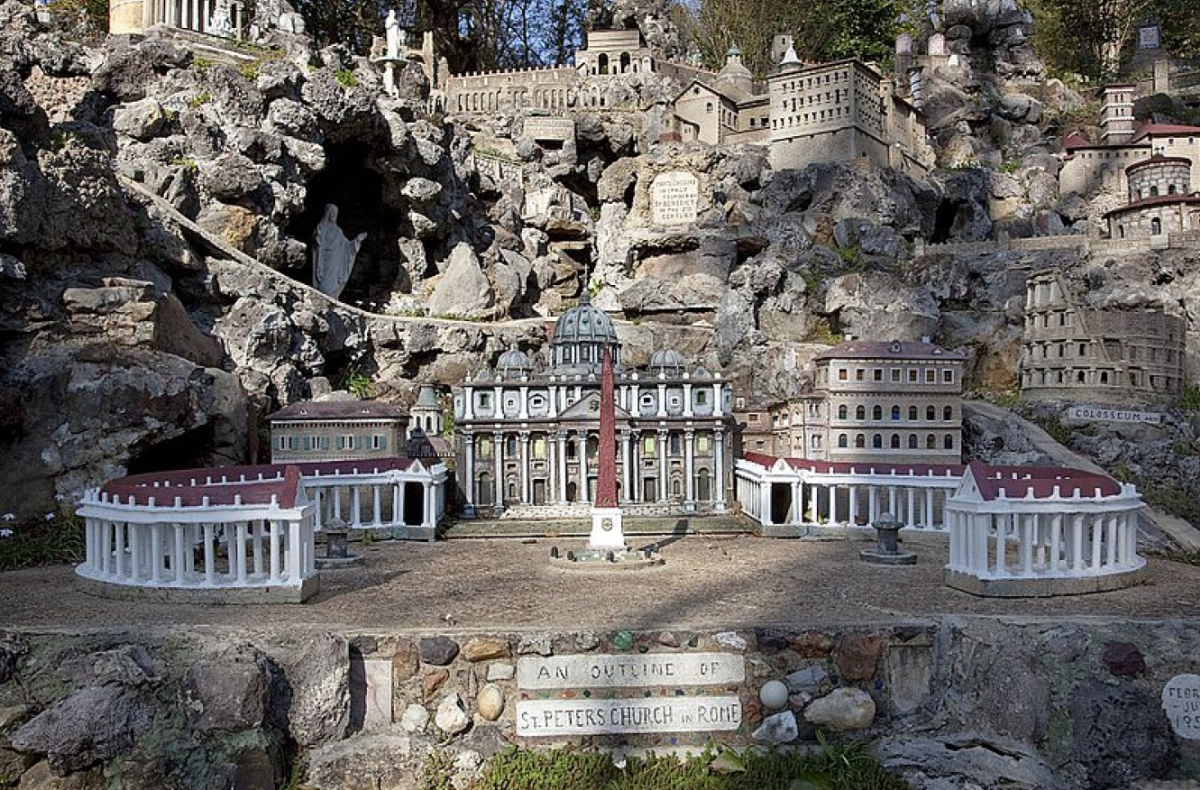
America's story has been enriched by generations of immigrants who brought their talents, traditions, and dreams to new communities. One remarkable example is at Ave Maria Grotto in Cullman, where Benedictine monk Brother Joseph Zoettl spent decades creating more than 125 intricate miniature reproductions of famous religious and historic landmarks from around the world.
Known as "Jerusalem in Miniature," the grotto is a testament to creativity, perseverance, and faith. It reminds visitors that the American experience has always been shaped by people whose unique perspectives and contributions helped build stronger communities and left lasting legacies for future generations.
Chapter 14: The Story of Everyday Americans
History isn't only made by famous names.
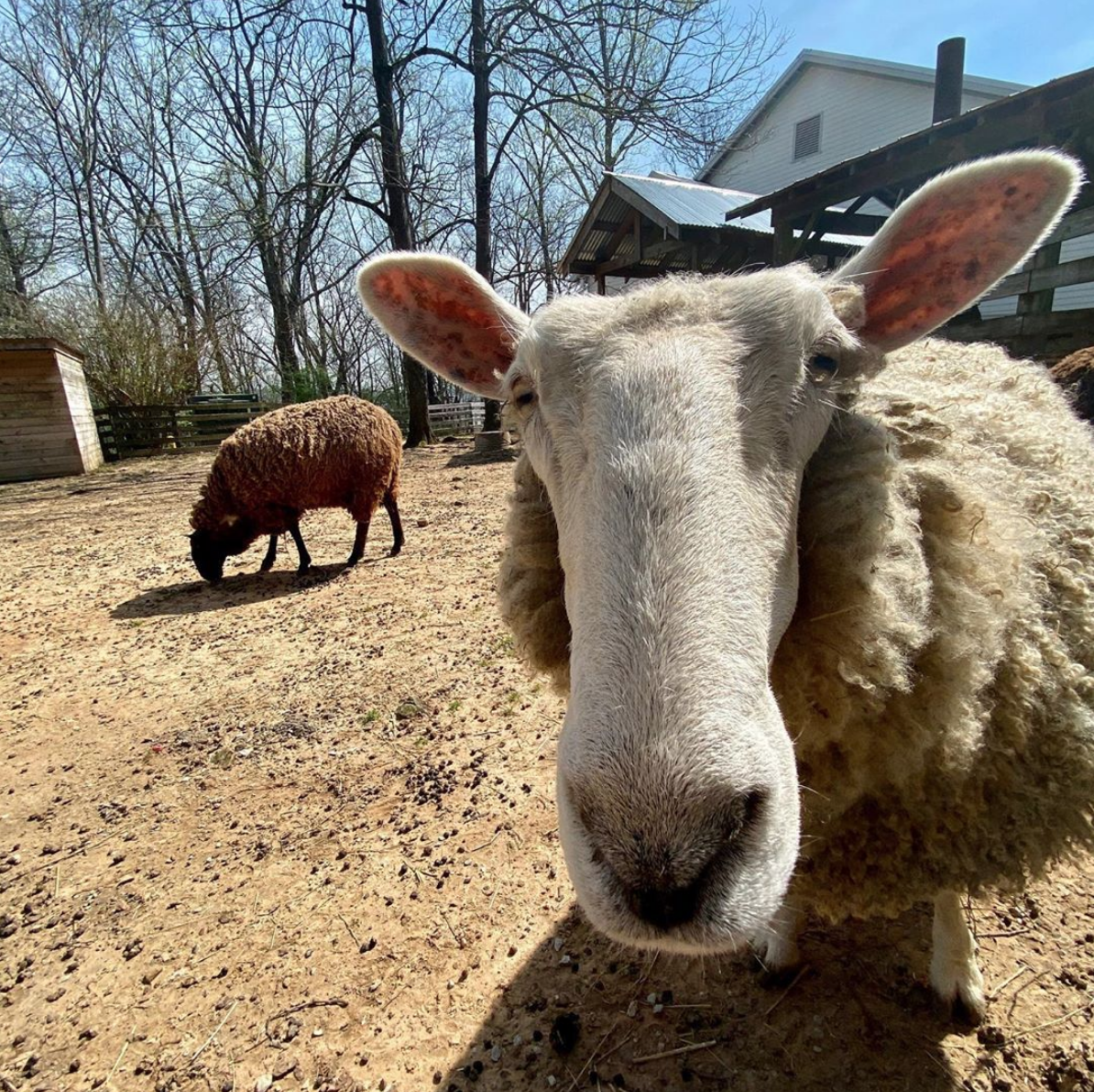
While history books often focus on presidents, inventors, and celebrated figures, America's story has always been shaped by ordinary people living extraordinary lives. At Burritt on the Mountain, visitors can explore restored homes, working farms, and historic buildings that celebrate the daily lives of the families who built communities across North Alabama.
Blacksmiths, farmers, teachers, merchants, and craftsmen all played an essential role in shaping the region we know today. Their stories remind us that history isn't only found in life's biggest moments; it's woven into everyday acts of hard work, resilience, and community that continue to define the American spirit.
Chapter 15: Hometowns That Welcome the World
America's story is best experienced one community at a time.
While history is often remembered through famous landmarks and defining moments, it's the people and communities that bring those stories to life.
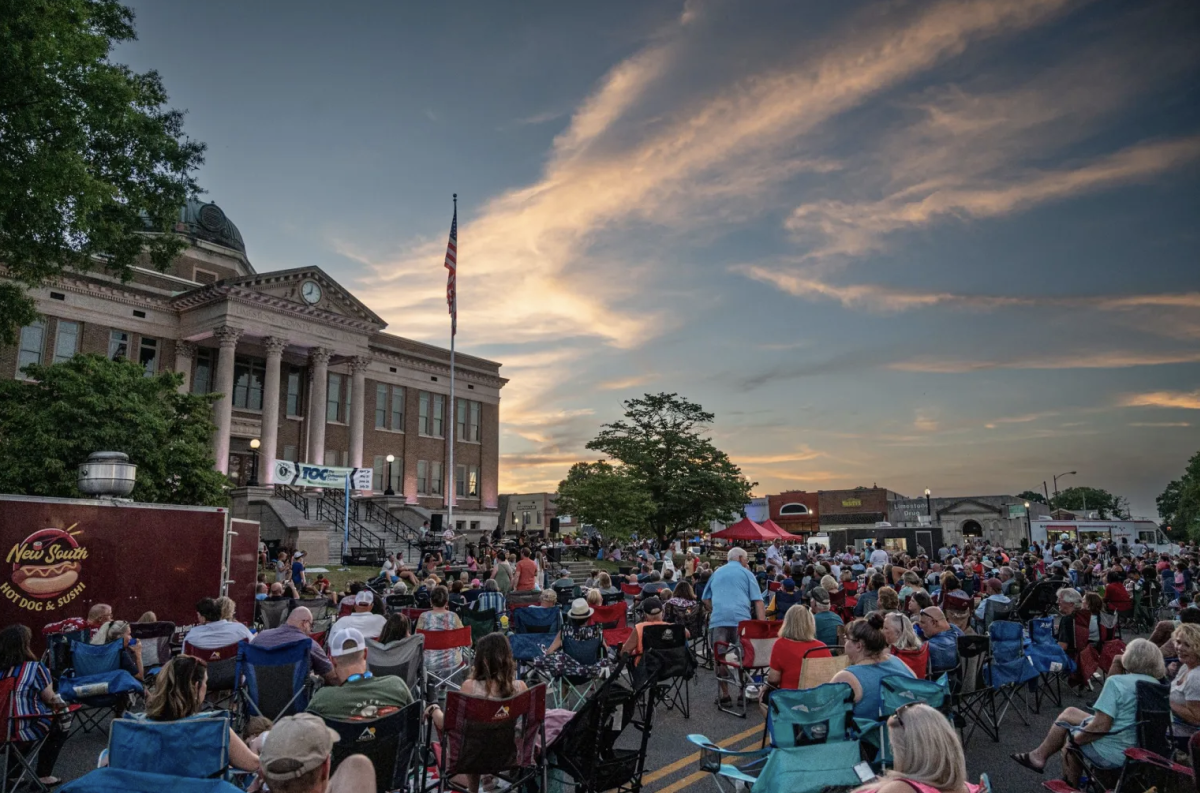
Across North Alabama, you'll find charming downtowns, historic Main Street districts, welcoming courthouse squares, family-owned restaurants, locally owned shops, and annual festivals that celebrate the traditions passed down through generations. These are the places where neighbors gather, visitors are greeted like old friends, and local pride is woven into everyday life.
From mountain towns and lakeside communities to vibrant city centers and quiet rural crossroads, each of North Alabama's communities offers its own unique perspective on the American experience. It's in these hometowns that history is preserved, traditions continue, and new memories are made every day.
As you explore North Alabama, take time to wander beyond the well-known attractions. Stroll through a downtown, enjoy a meal at a local restaurant, strike up a conversation with a shop owner, or join a community celebration. Often, the most memorable moments of a trip aren't found on a map; they're discovered through the people who proudly call these places home.
Chapter 16: The Next Chapter Begins With You
Every great story welcomes another storyteller.
For thousands of years, North Alabama has been home to remarkable people, breathtaking landscapes, unforgettable music, groundbreaking innovation, and communities that helped shape our nation.
Today, those stories continue across 16 counties, each with its own unique character, history, and traditions. Every scenic byway, downtown, museum, trail, restaurant, and hidden gem adds another page to America's story.
As our nation celebrates 250 years, we invite you to do more than simply visit these places. Walk the trails. Hear the music. Meet the people. Discover the history. Create memories with the ones you love.
Because America's story isn't finished.
It's still being written.
And the next chapter begins with you.